


 English
 Français
 中文简体
中文简体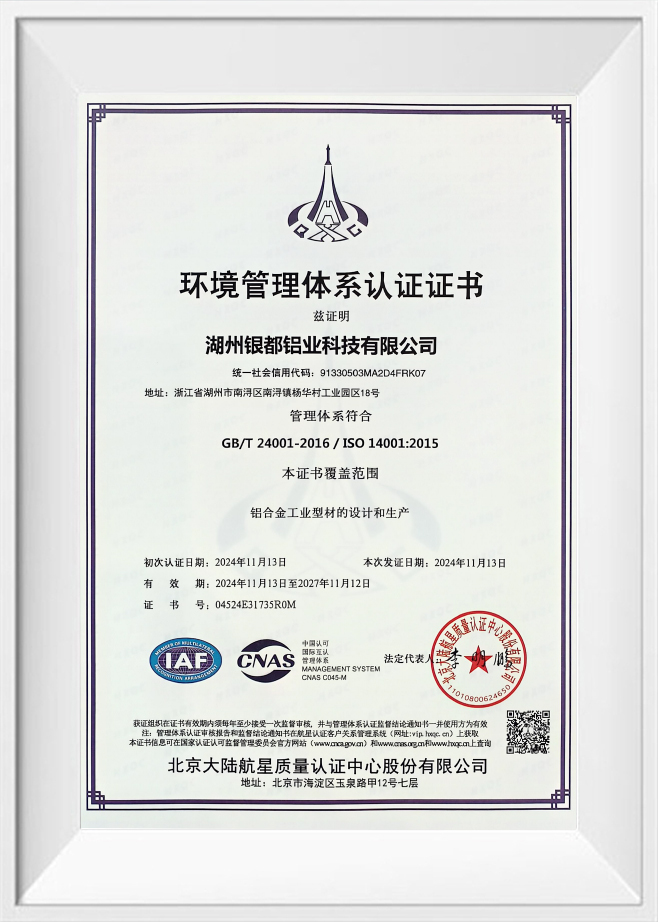
Most aluminum window frames that fail in service do not fail because the metal breaks. They fail because the material specification was wrong at the drawi...
READ MORE

Hard Anodizing of Aluminum Alloy
Hard anodizing of aluminum alloys is a specialized branch of aluminum anodizing technology, which shares the same core electrochemical oxidation principle as ordinary anodizing, but differs significantly in process parameters.
The process is implemented under the following key conditions:
Temperature control: Performed at a low temperature range, typically between -5℃ and 5℃
Current density: Adopts a relatively high current density, around 2.5A/dm²
Voltage setting: Requires the application of high voltage during the oxidation process
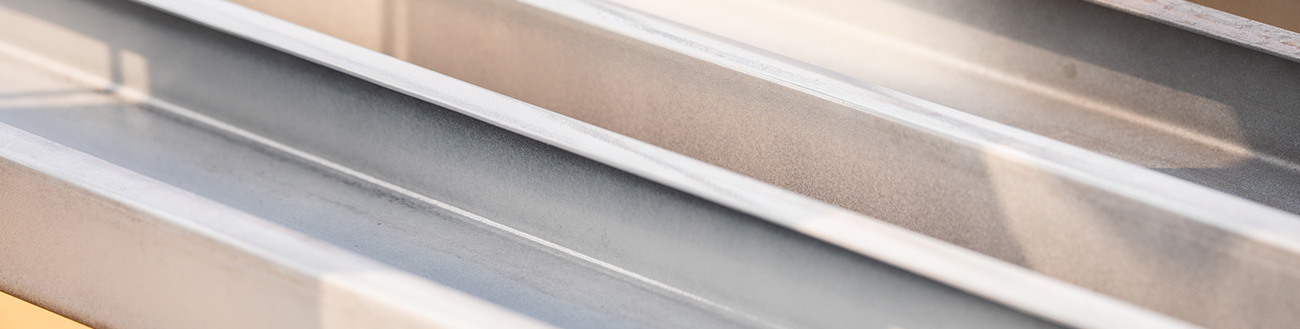
These parameters enable the formation of an oxide film with a thickness ranging from 25µm to 100µm, which is noticeably thicker than the film thickness formed by conventional anodizing. The film features good hardness, with a Vickers hardness (HV) of 300–600 or above, and exhibits reliable wear resistance.
Standard Shapes of Extrusion Aluminum Profiles
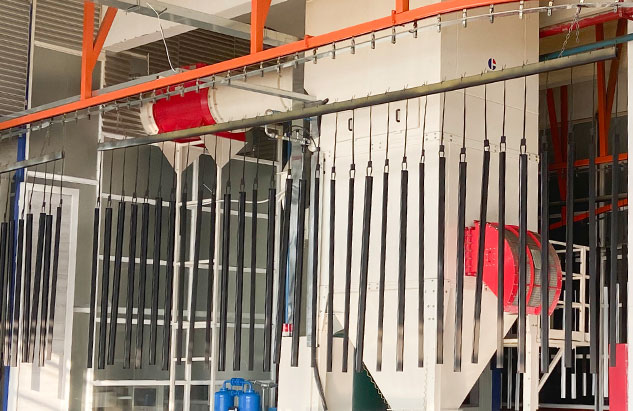
Pre-processing steps
Degreasing: Remove oil stains and impurities on the surface of aluminum alloy workpieces to ensure the uniformity of the anodizing reaction.
Pickling: Use appropriate acidic solutions to remove the natural oxide film and surface oxides of the aluminum alloy, improving the bonding force between the substrate and the hard anodized film.
Rinsing:Rinse the workpiece thoroughly with clean water after degreasing and pickling to avoid residual chemical agents affecting the subsequent anodizing process.
Anodizing implementation
Immerse the pre-treated workpiece in the electrolyte, and apply the preset high voltage and high current density under low temperature conditions.
Strictly control the reaction time according to the required oxide film thickness to ensure the film reaches the target thickness range.
Post-processing steps
Sealing:Carry out sealing treatment on the anodized film to reduce the porosity of the film and enhance its corrosion resistance.
Cleaning and drying:Rinse the sealed workpiece again and dry it completely to avoid surface moisture causing secondary pollution or corrosion.
Non-stick Pan Processing
-
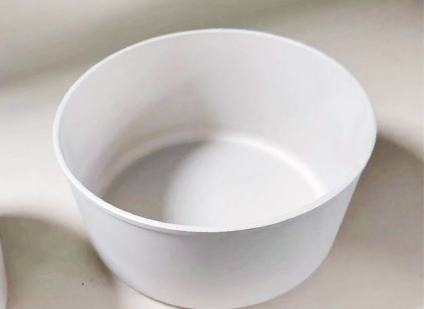
Non-stick Pan Processing
-
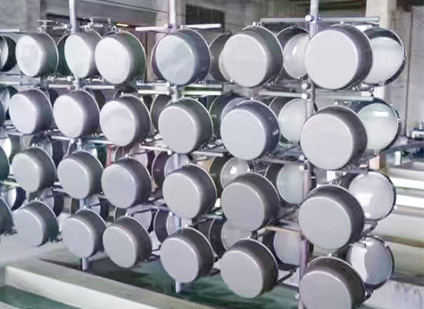
Non-stick Pan Processing
-
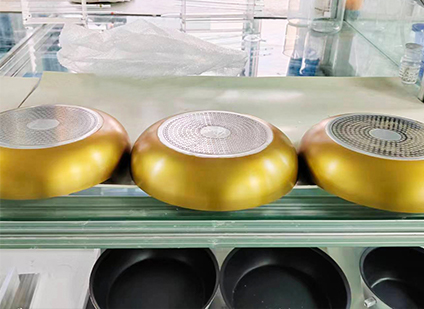
Non-stick Pan Processing
What Products do We Offer?
-
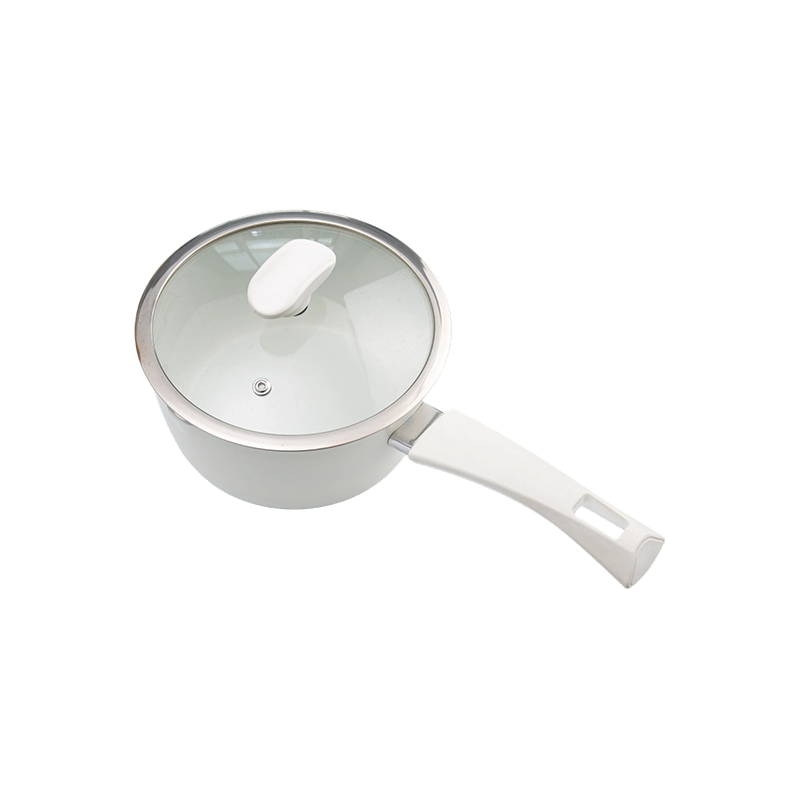 Kitchenware - Hard Anodized Products
-
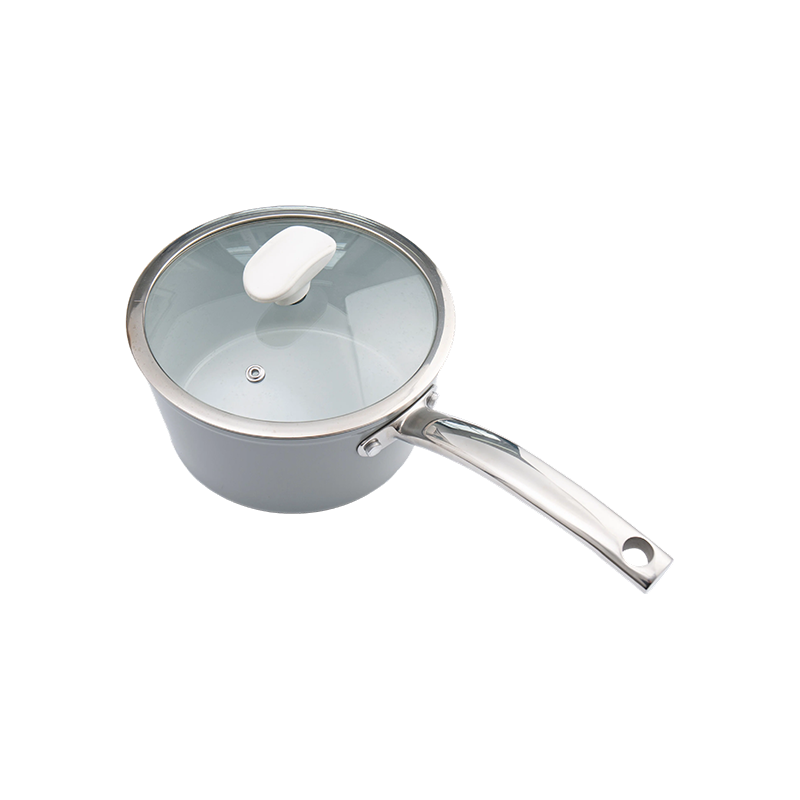 Kitchenware - Hard Anodized Products
-
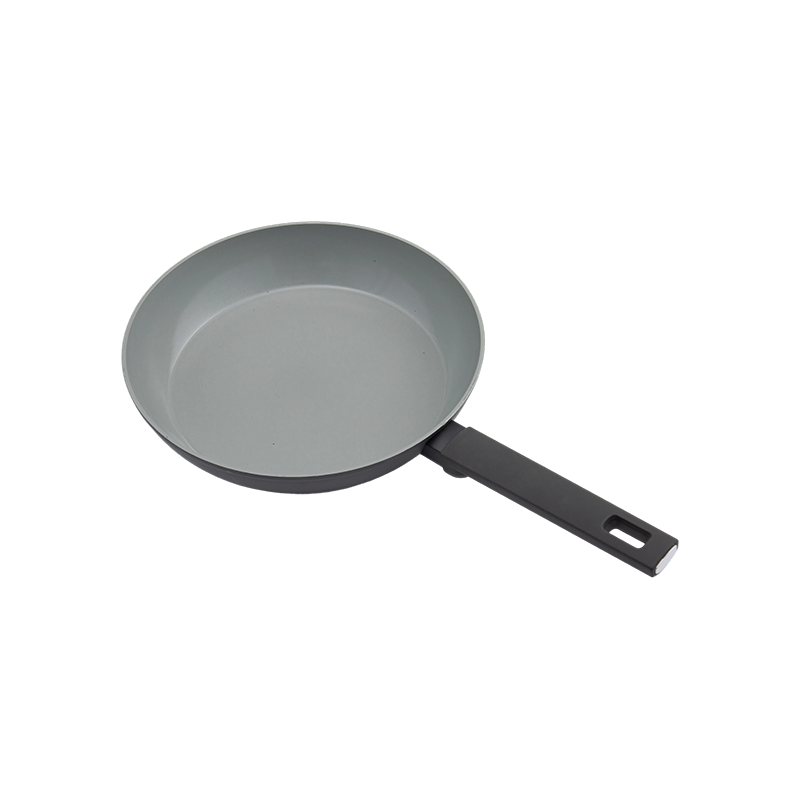 Kitchenware - Hard Anodized Products
-
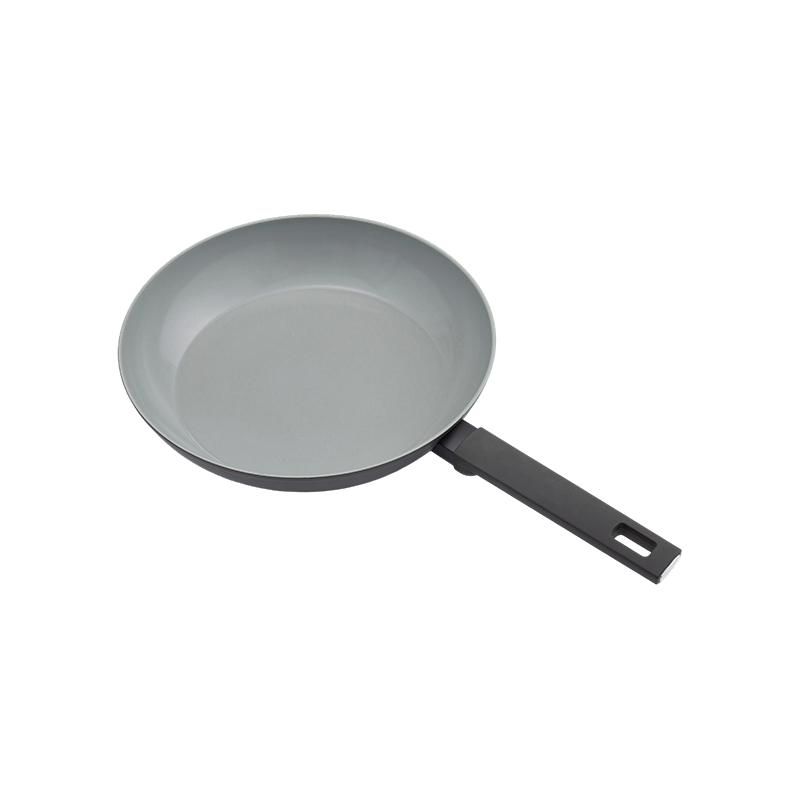 Kitchenware - Hard Anodized Products
-
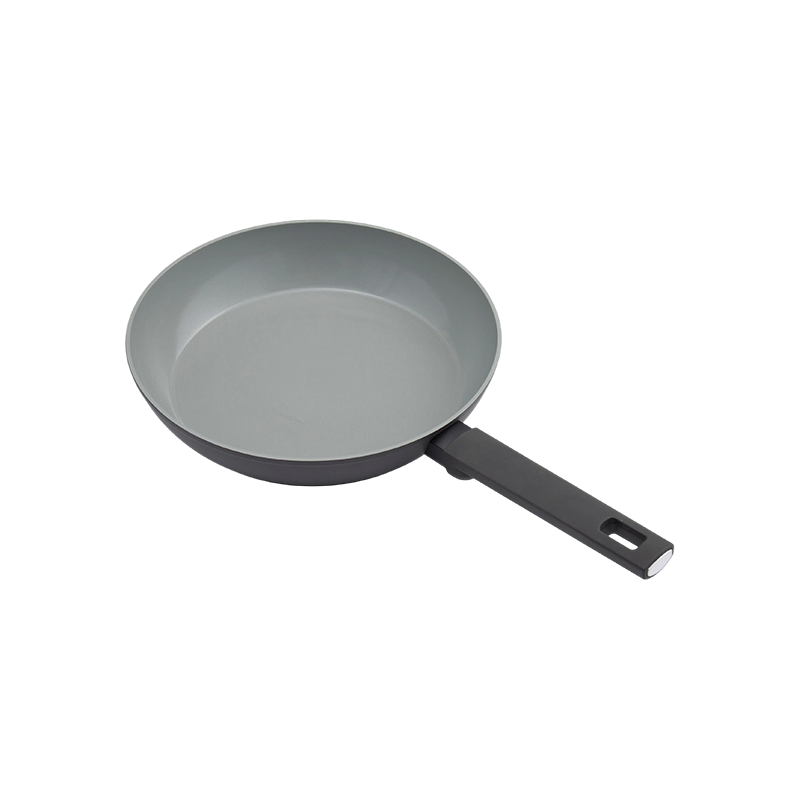 Kitchenware - Hard Anodized Products
-
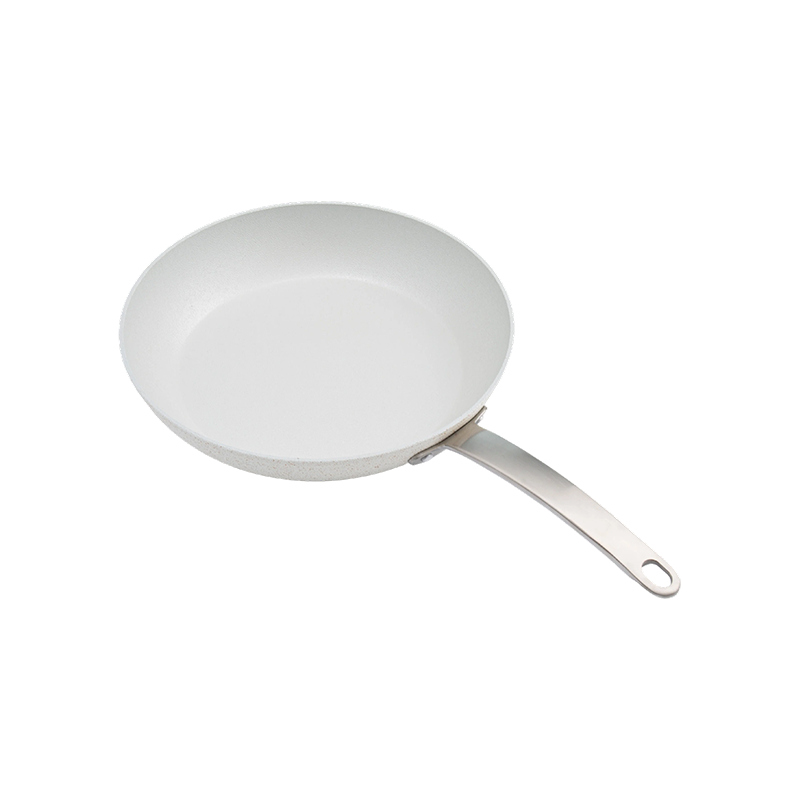 Kitchenware - Hard Anodized Products
-
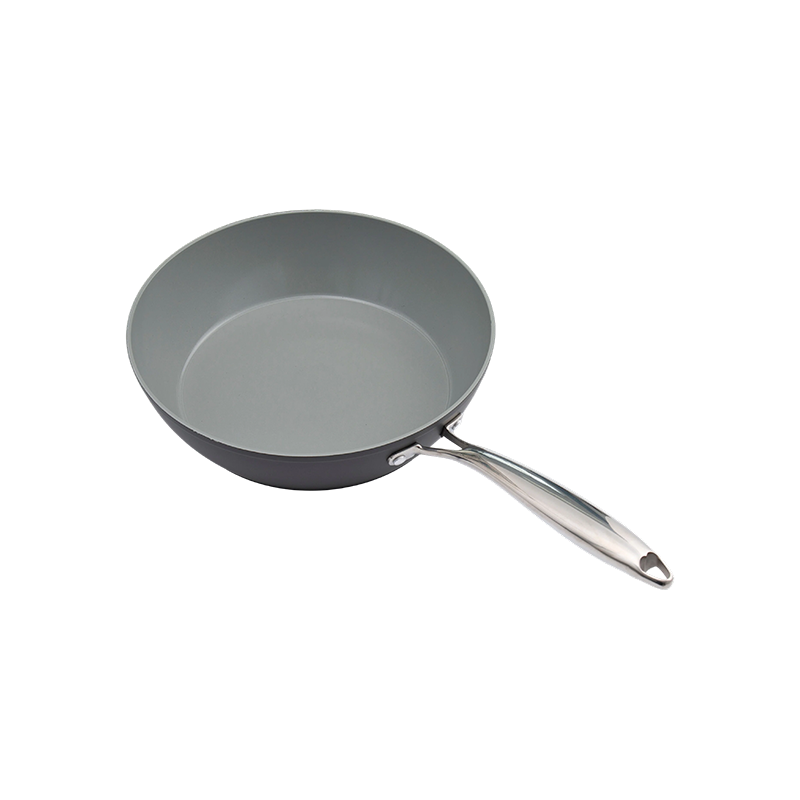 Kitchenware - Hard Anodized Products
-
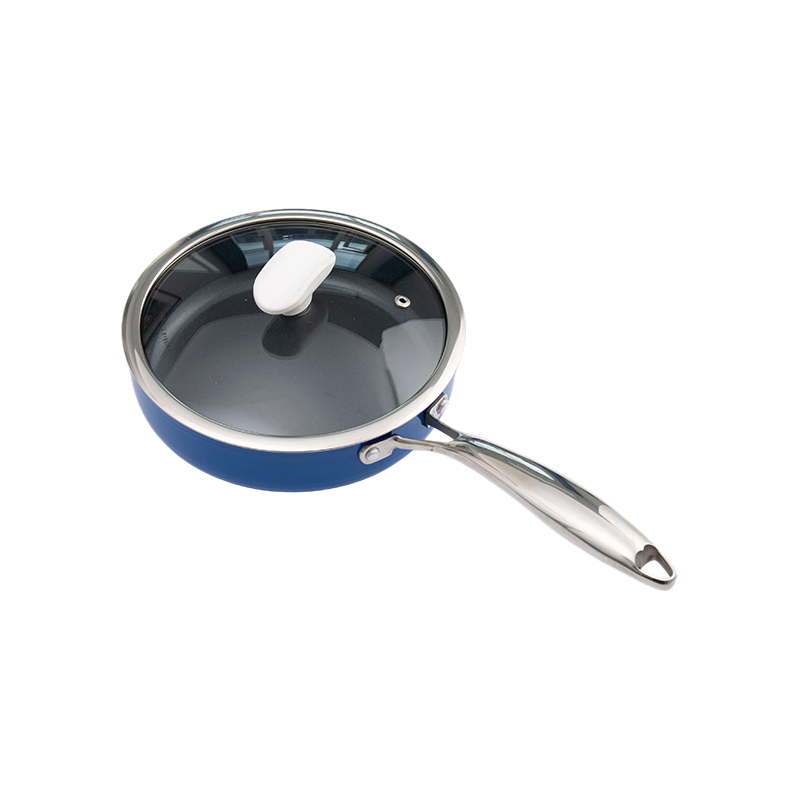 Kitchenware - Hard Anodized Products
-
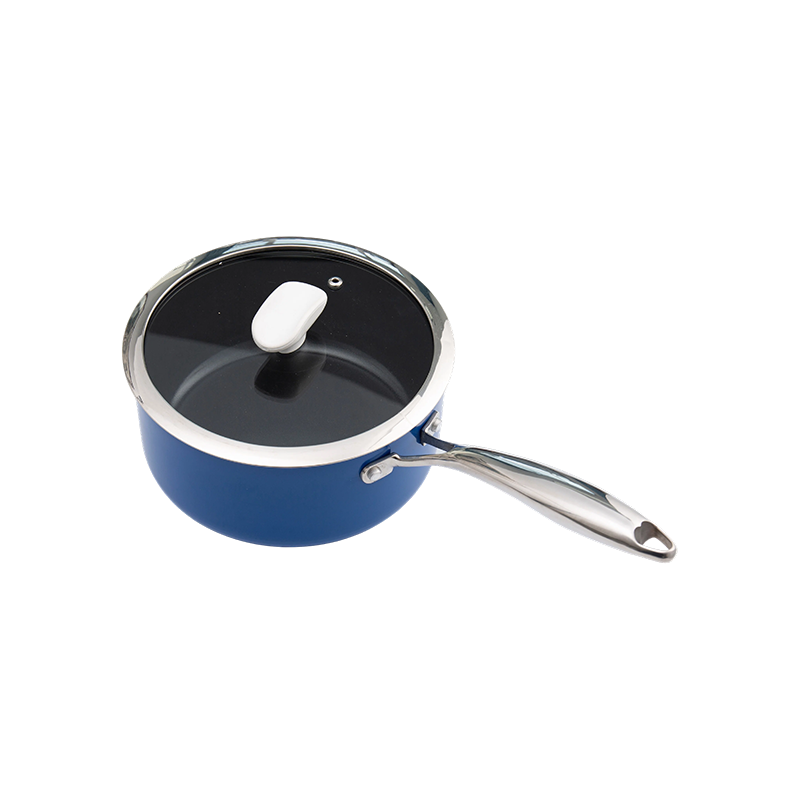 Kitchenware - Hard Anodized Products
-
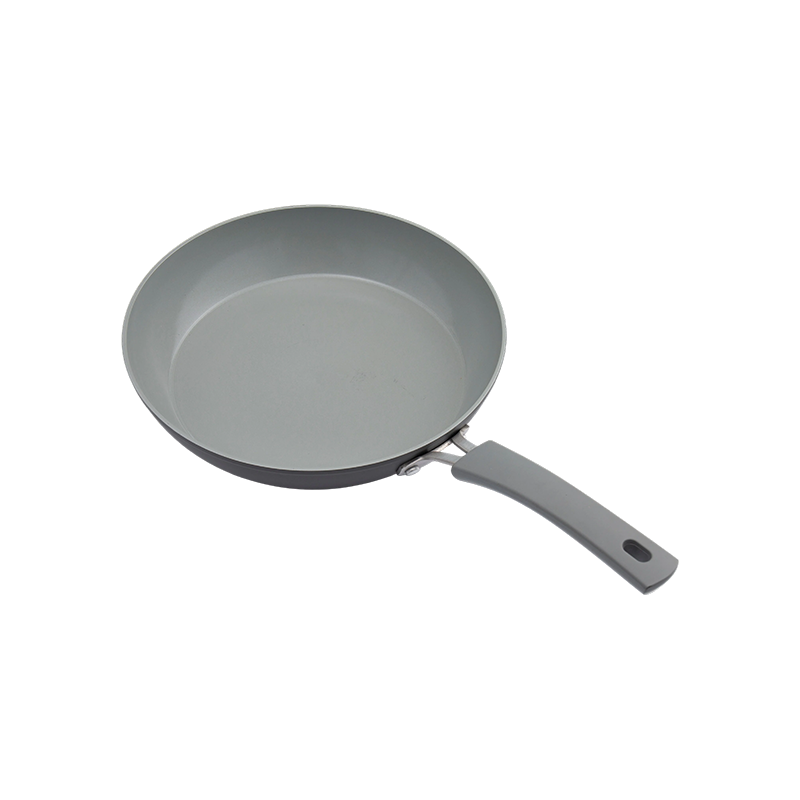 Kitchenware - Hard Anodized Products
-
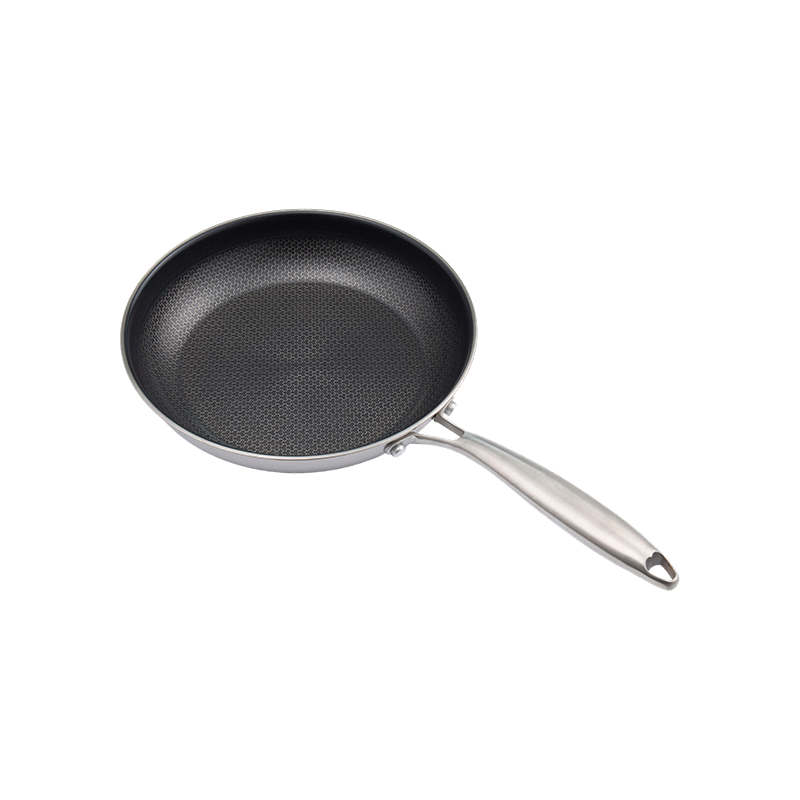 Kitchenware - Hard Anodized Products
-
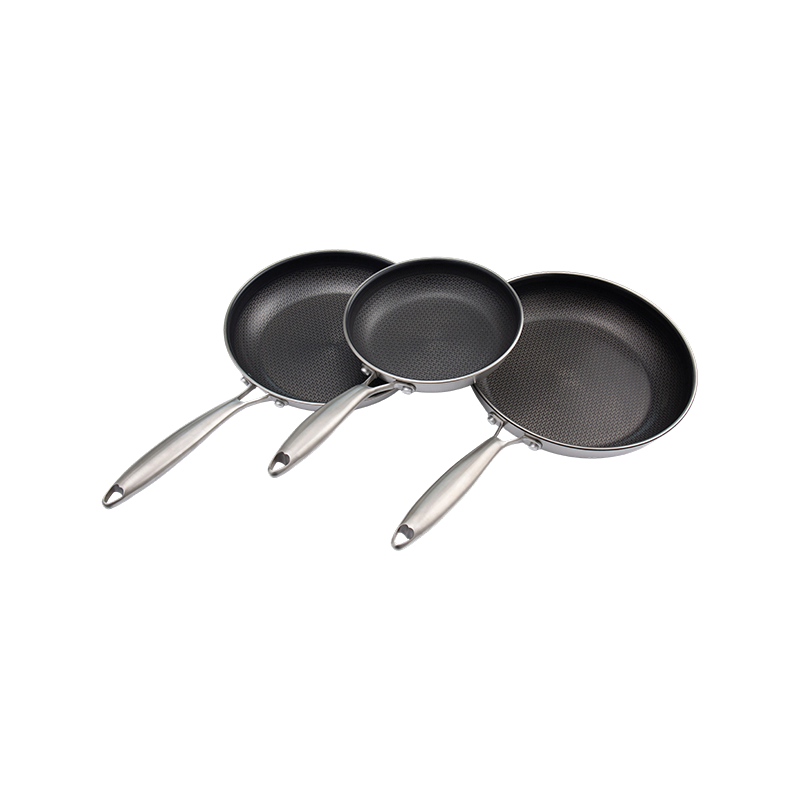 Kitchenware - Hard Anodized Products
Applications of Hard Anodizing of Aluminum Alloys
Automotive parts field: Applied to piston pins, cylinder liners, gear shift forks, and other components, using its high wear resistance to extend the service life of parts under high-frequency friction conditions.
Aerospace field: Used for the surface treatment of aluminum alloy structural parts, actuators, and connecting components of aircraft, relying on its high hardness and corrosion resistance to adapt to the complex and harsh flight environment.
Machinery manufacturing field: Process the surfaces of tool holders, guide rails, and precision shafts of machine tools to improve the wear resistance of the parts and maintain the precision of mechanical equipment during long-term operation.
Hardware tools field: Applied to the surface of aluminum alloy hand tools such as wrenches and pliers, enhancing the scratch resistance and service life of the tools in daily use.
Advantages of Hard Anodizing of Aluminum Alloys
Superior wear resistance: The oxide film with a thickness of 25–100µm has high hardness, which can effectively resist friction and scratch, and is suitable for parts working under wear conditions.
Good corrosion resistance: After sealing treatment, the compact oxide film can isolate the aluminum alloy substrate from the external corrosive medium and improve the anti-corrosion performance of the workpiece.
Strong substrate adhesion: The oxide film is formed by the electrochemical reaction of the aluminum alloy substrate, with high bonding strength, and is not easy to peel off during use.
No significant dimensional impact: The thickness of the oxide film is controllable within a certain range, and reasonable process design can minimize the impact on the dimensional accuracy of the workpiece.
Characteristic Parameters
| GLOSS RANGE(%) 60° | Tolerance | |
| Matt | 3~30 | ±5 |
| Satin | 31~70 | ±7 |
| Glossy | 71~100 | ±10 |
| Indentation Hardness | Adhesive Foroe | Impact Resistance | Erichsen Cupping | Flexing Endurance |
| ≥80 | 0 grade | no rupture or shedding of coating | 5mm | 3mm |
Established in 1985, Huzhou Yindu Aluminum Technology Co. , Ltd. is a professional manufacturer of aluminium profiles. With over 30 years of hard work and continuous development, we already have advanced equipment and scientific management. Hard Coat Anodizing Aluminum Alloy Profiles Manufacturers and Hard Coat Anodizing Aluminum Alloy Profiles Factory in China. Presently, there are many workshops, including aluminium extrusion, mechanical polishing, oxidizing staining, electrophoretic painting, powder electrostatic painting, water spray paint, doors and windows making, machinery processing, etc., as well as a quality monitoring center, which formed a complete modernized production scale of aluminium profile.We strive to provide reliable services for our customers with quality products, a wide variety, and reasonable prices. We hope that the “Yindu” aluminium alloy profile will become your preferred choice.
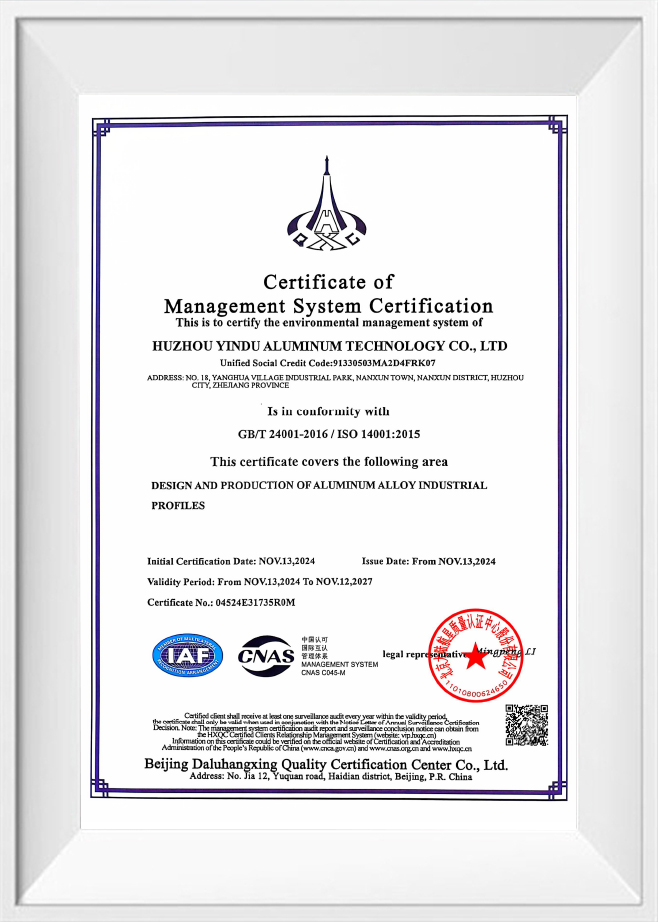
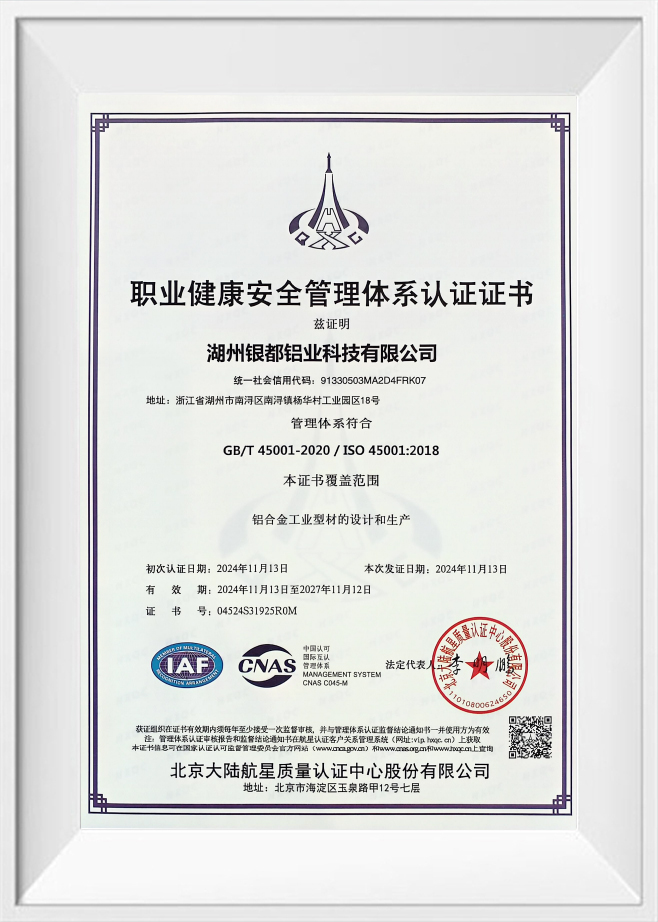
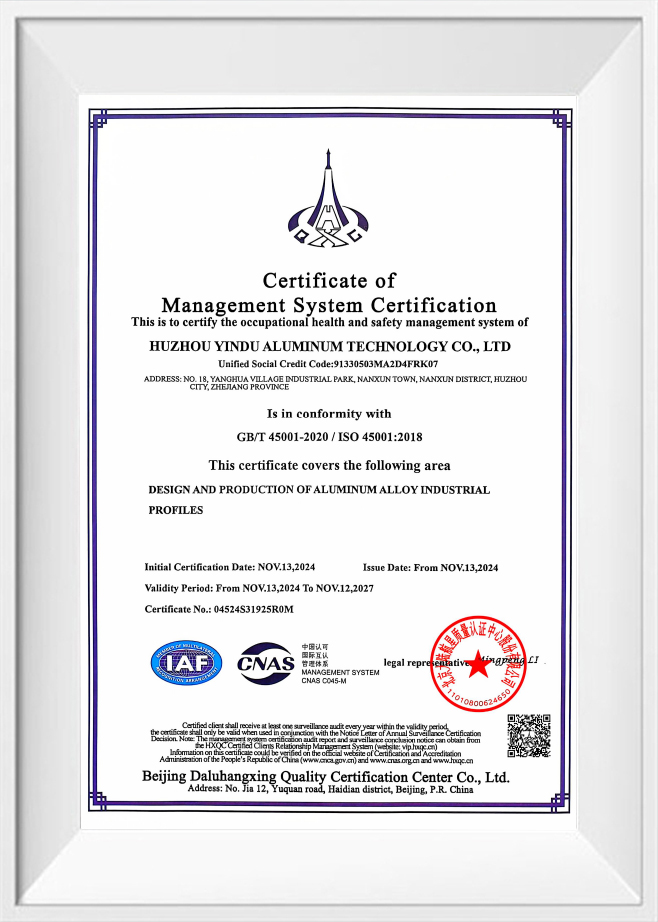
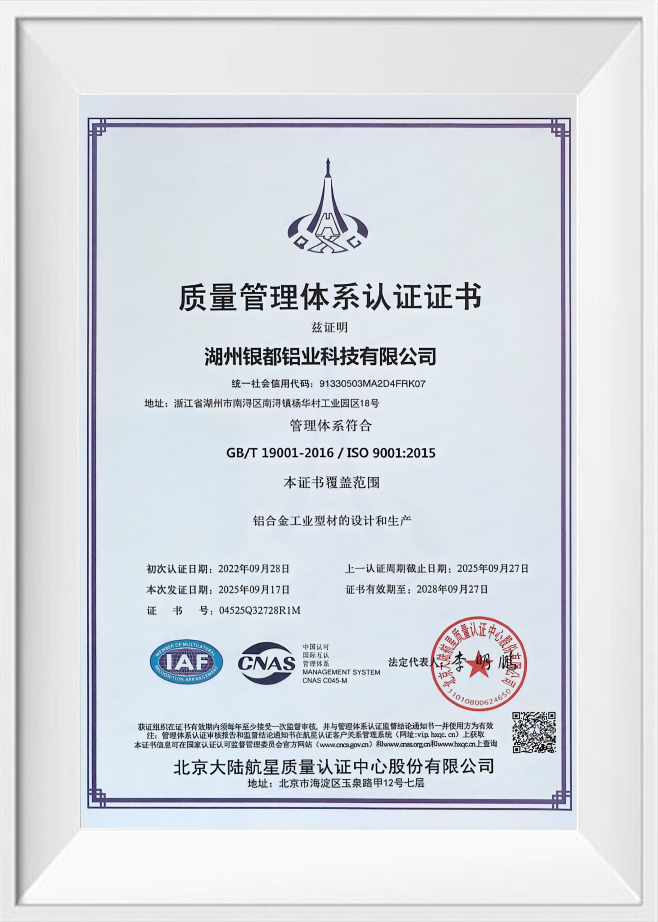
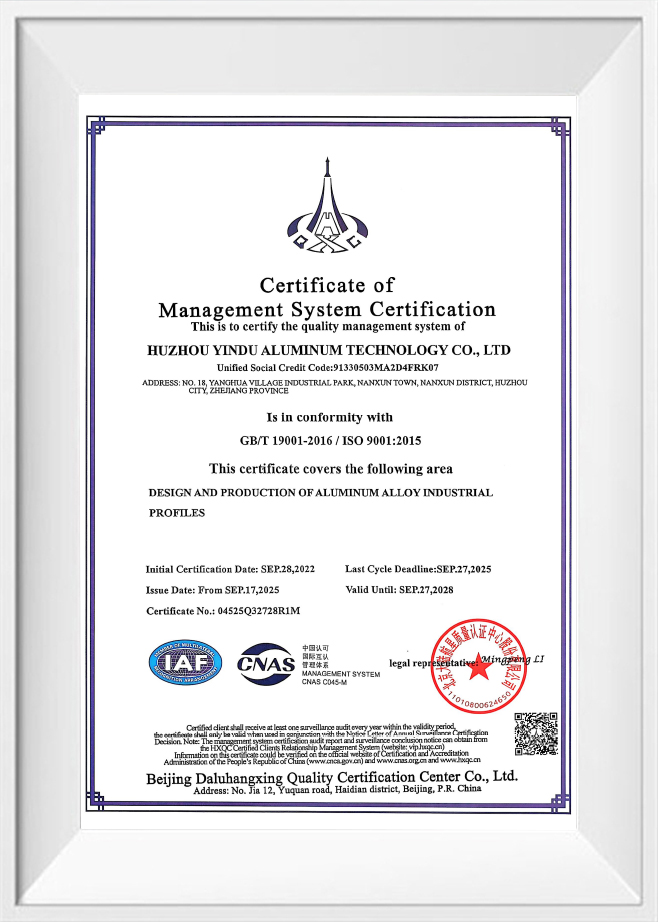
HONOR & CERTIFICATION
Certificate
What's News
-
Aluminum Window Frame Material Guide: Alloy, Wall Thickness, Finishes, and Thermal Breaks
-
Aluminum Physical Properties and Chemical Properties: A Practical Engineering GuideWhen a design engineer specifies an aluminum profile for an elevator car, a heat sink, or a shower frame, the decision rarely rests on a single number. It...READ MORE
-
Aluminum Frame for Solar Panel: Alloy, Finish, Tolerance & Sourcing GuideAn extrusion supplier calls you with a simple question: should the aluminum frame for your solar panel use 6063-T5 or 6063-T6? That choice changes how the...READ MORE
-
Aluminium Structure for Solar Mounting: A Practical Material Guide and Selection TipsImagine servicing a solar array on a rooftop in a humid, salt-air environment. Five years after installation, the panel mounts are still clean, the bolts ...READ MORE

Address
No. 18, Industrial Park, Yanghua Village, Nanxun Town, Nanxun District, Huzhou City, Zhejiang Province, China
Quick Menu
Subscribe newslatter
Copyright © Huzhou Yindu Aluminum Technology Co. , Ltd. Rights Reserved.
 Aluminum Alloy Hard Anodizing Service

