


 English
 Français
 中文简体
中文简体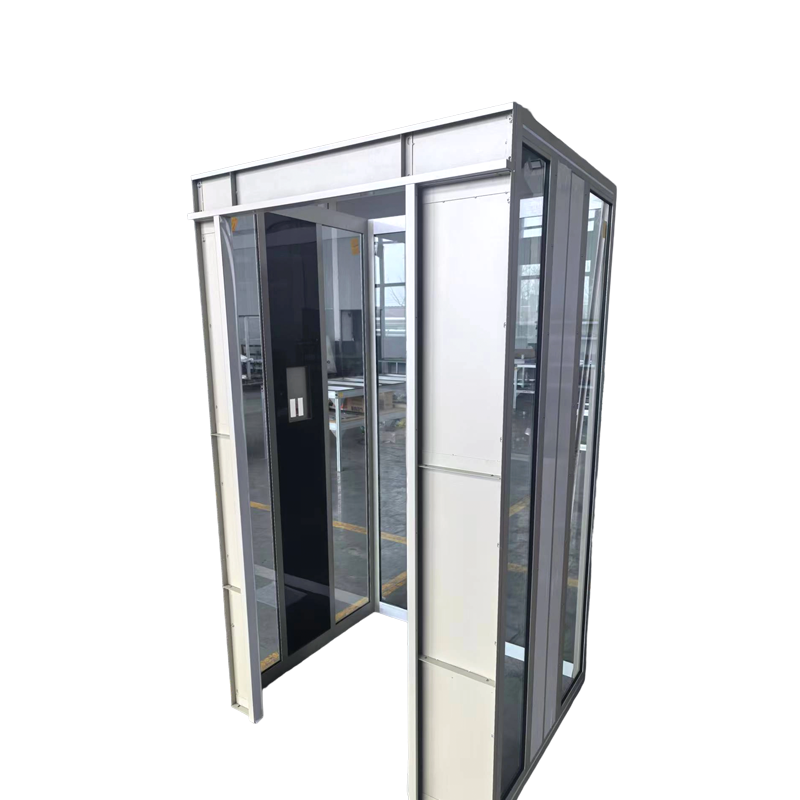
Most aluminum window frames that fail in service do not fail because the metal breaks. They fail be...
READ MORE

Elevator Shaft Aluminum Profiles Manufacturers
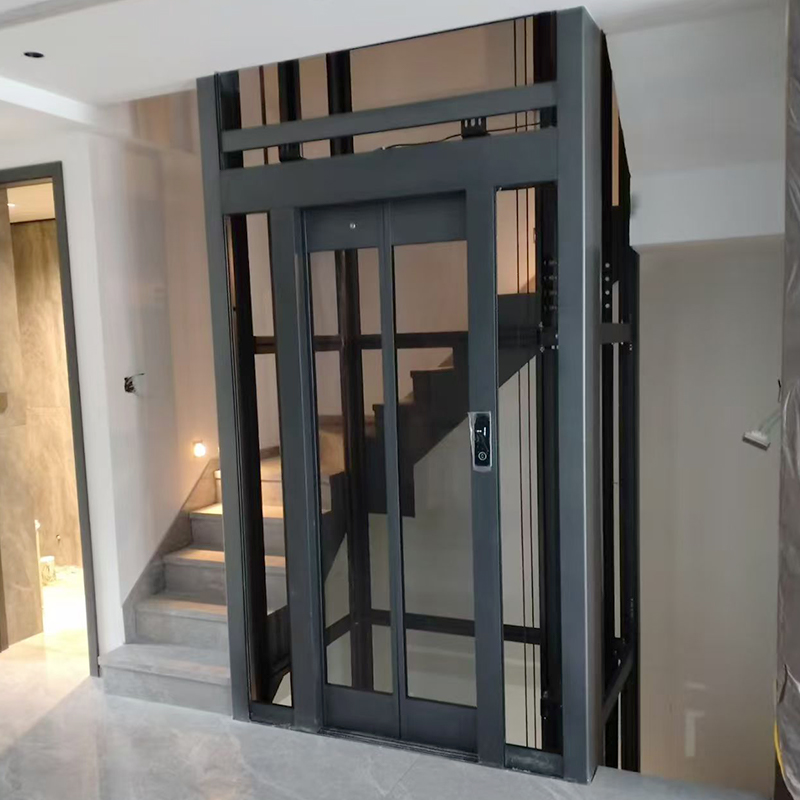
Elevator Shaft is a vertical enclosed structural space designed for elevator car operation, counterweight movement, and equipment installation. As the core bearing structure of elevator systems, it is usually built with reinforced concrete or steel, featuring high load-bearing capacity and stability to ensure the safe operation of elevators.
The shaft interior accommodates key components, including guide rails, guide shoes, traction machines, and buffer devices, which guide the elevator car to move up and down linearly and restrict its operating range. It also integrates maintenance platforms, lighting, and ventilation facilities to facilitate daily inspection and repair work.
Constructed in strict compliance with building safety standards, the shaft effectively isolates the elevator system from the building’s internal space, preventing noise diffusion and accidental collisions. Its size and layout are customized according to elevator types, load capacity, and building height, directly affecting the elevator’s running efficiency and service life.
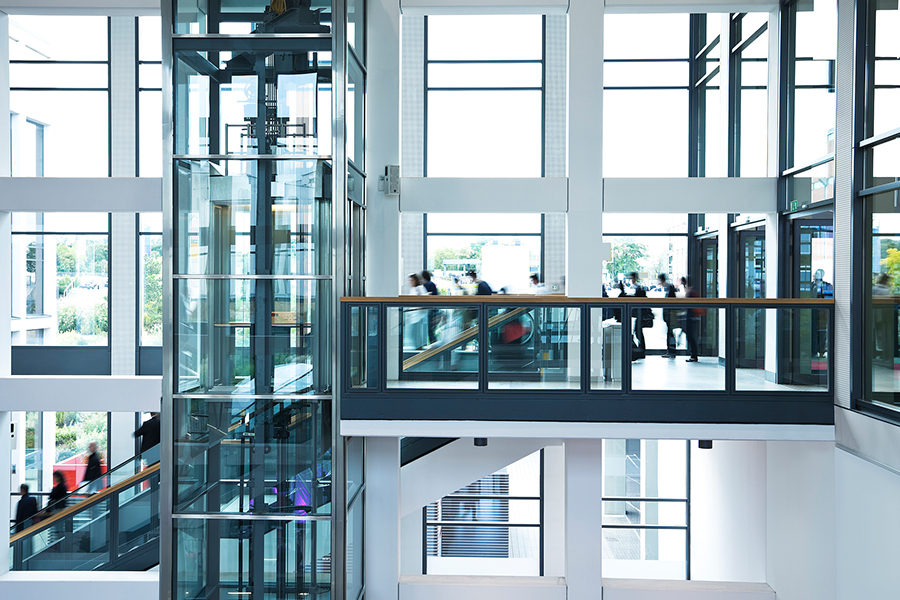
Advantages of Aluminum Alloy Elevator Shaft
Lightweight & corrosion-resistant: Compared with traditional steel shafts, aluminum alloy has lower density, effectively reducing the overall weight of the elevator and lowering building load requirements. Its excellent corrosion resistance eliminates the need for frequent anti-rust maintenance, which is suitable for humid or corrosive environments like basements and coastal areas.
Versatile scenario adaptation: The material’s high strength-to-weight ratio enables stable operation in both high-rise and low-rise buildings. It can be flexibly designed for machine-room-less elevators, home elevators, and cargo elevators, adapting to narrow installation spaces with customized sizes.
Enhanced texture via processing: Aluminum alloy supports precision processing such as extrusion, cutting, and surface anodizing. The processed shaft has a smooth, uniform surface, which not only improves aesthetic appeal but also reduces friction during elevator operation, ensuring quieter and more stable running.
Efficient production & customization: The material is easy to cut, bend, and assemble, shortening the production cycle of shaft components. Manufacturers can quickly customize non-standard sizes and structural designs according to customer needs, matching different elevator models to improve project delivery efficiency.
Dimensions of the Aluminum Alloy Elevator Shaft
Residential general specifications: The shaft width is 1800–2200mm, depth 1600–2000mm, and net height 2800–3000mm per floor, adapted to 800–1000kg load residential elevators with 2–3 persons capacity, complying with common residential building floor height and space layout.
Customized sizes: Adjustable according to building structure, width 1500–2500mm, depth 1400–2300mm, height customized by floor number; tailored for narrow or irregular building spaces to match specific elevator load and cabin size requirements.
Special scenario specifications: For villa basements or attic installations, the shaft width can be reduced to 1400–1700mm, depth 1300–1500mm, with reinforced bottom and top load-bearing structures; for high-rise residential annex elevators, the shaft height can reach over 50m, with a width of 2000–2400mm to accommodate high-speed, large-load elevators.
Aluminum Alloy Elevator Shaft Color
Basic classic colors: Silver gray, brushed black, matte white, and natural aluminum color.
Customized color options: RAL color system matching, customer-provided sample color reproduction, metallic luster color tuning.
Special scenario matching colors: Hospital - antibacterial light blue, high-end office building - champagne gold, shopping mall - bright rose gold, industrial workshop - anti-corrosion dark gray.
-
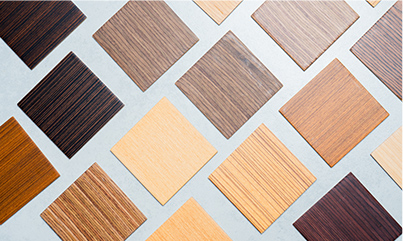
Wood Grain Color Chart
-
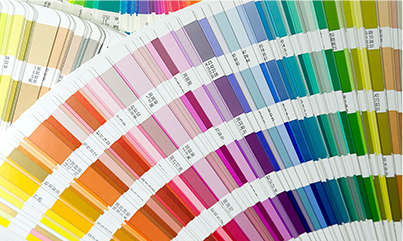
Powder Coating RAL Color Chart
-
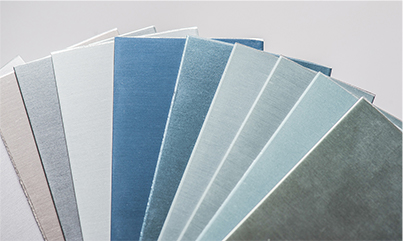
Anodizing Color Chart
Production Video
Where Aluminum Meets
the Art of Quality and Integrity
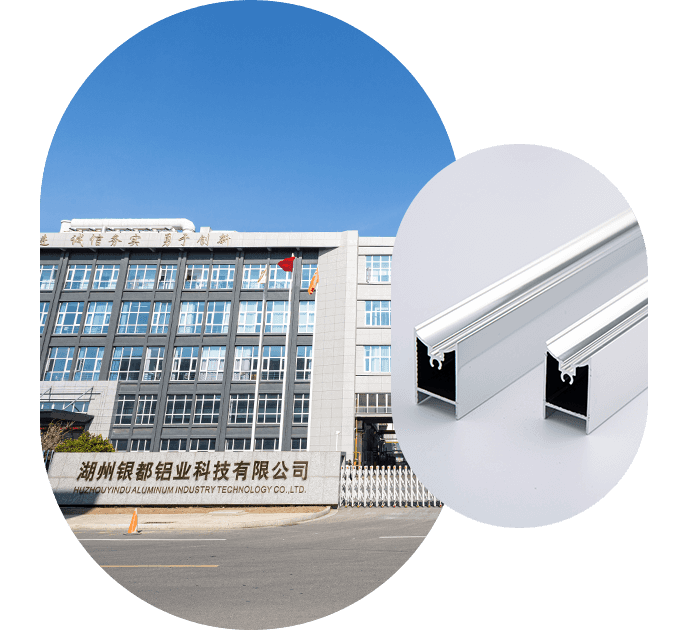
Established in 1985, Huzhou Yindu Aluminium Co., Ltd.(formerly called 721 factory of Huzhou)is a professional manufacturer of aluminium profiles. It was converted to Huzhou Yindu Aluminum Co., Ltd., and moved to Yanghua Village Zone, Nanxun Town, with a new name of Huzhou Yindu Aluminum Science and Technology Company, located in the ancient town of Nanxun, Huzhou, Zhejiang Province.
China Elevator Shaft Aluminum Profiles Manufacturers and Elevator Shaft Aluminum Profiles Factory.
Our company is a local large-scale enterprise with more than 120million yuan in capital assets,42,000 square meters of covering area, and up to 10,000 tons of annual production capacity of aluminium profiles. With over 30 years of hard work and continuous development, we already have advanced equipment and scientific management. Presently, there are many workshops, including aluminium extrusion, mechanical polishing, oxidizing staining, electrophoretic painting, powder electrostatic painting, water spray paint, doors and windows making, machinery processing, etc., as well as a quality monitoring center, which formed a complete modernized production scale of aluminium profile. Custom Elevator Shaft Aluminum Profiles.
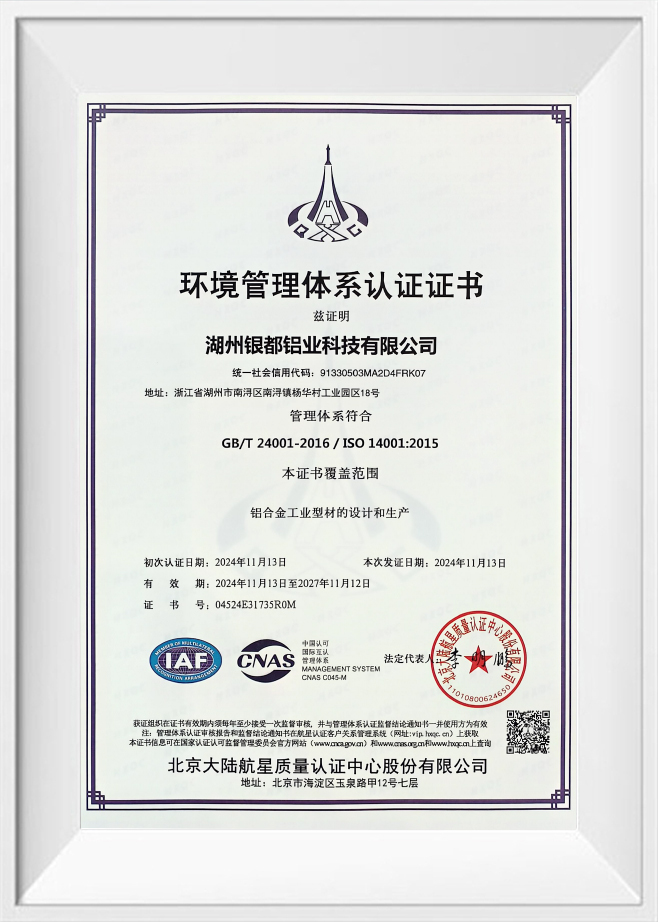
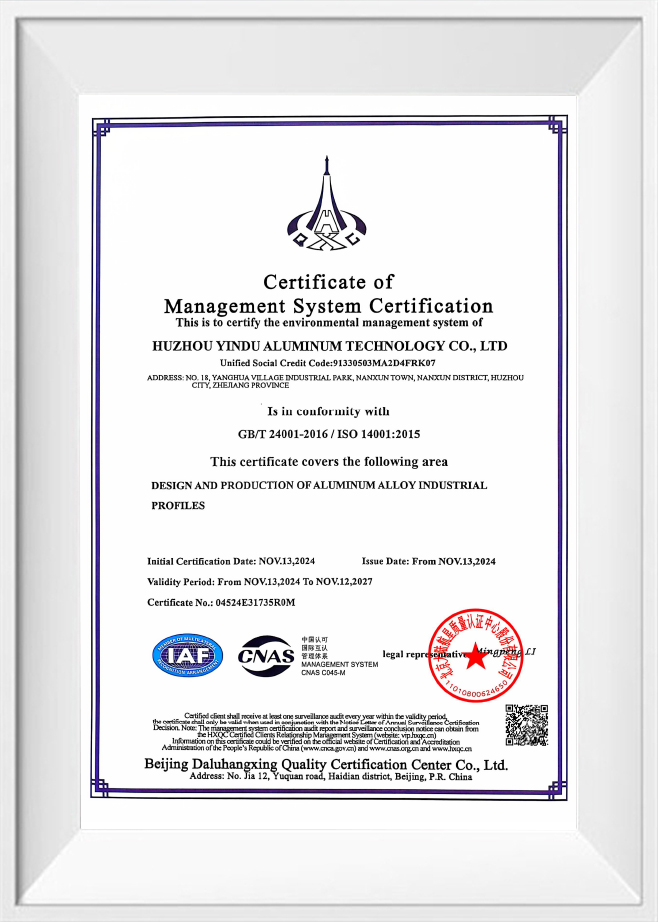
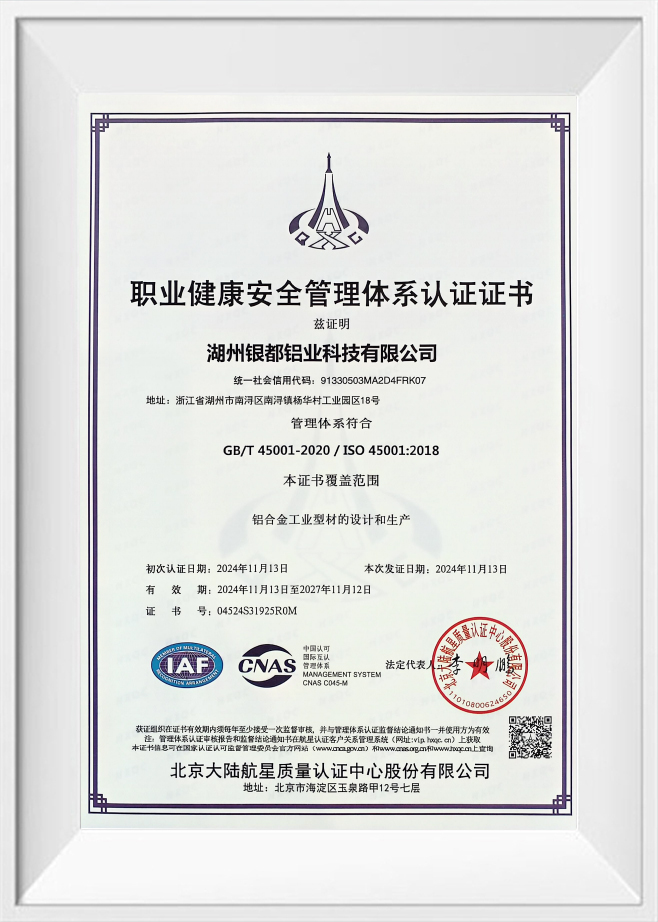
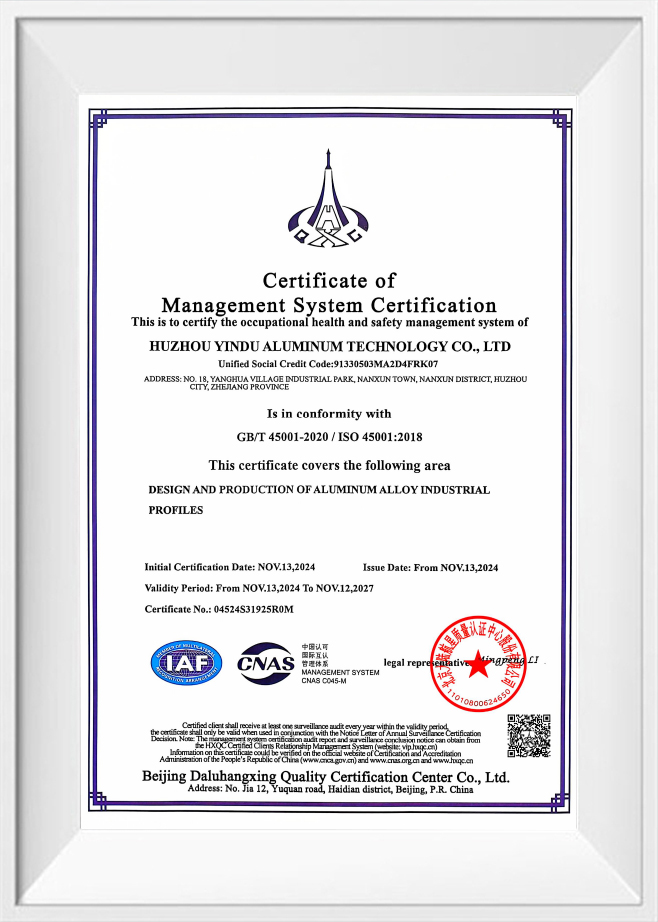
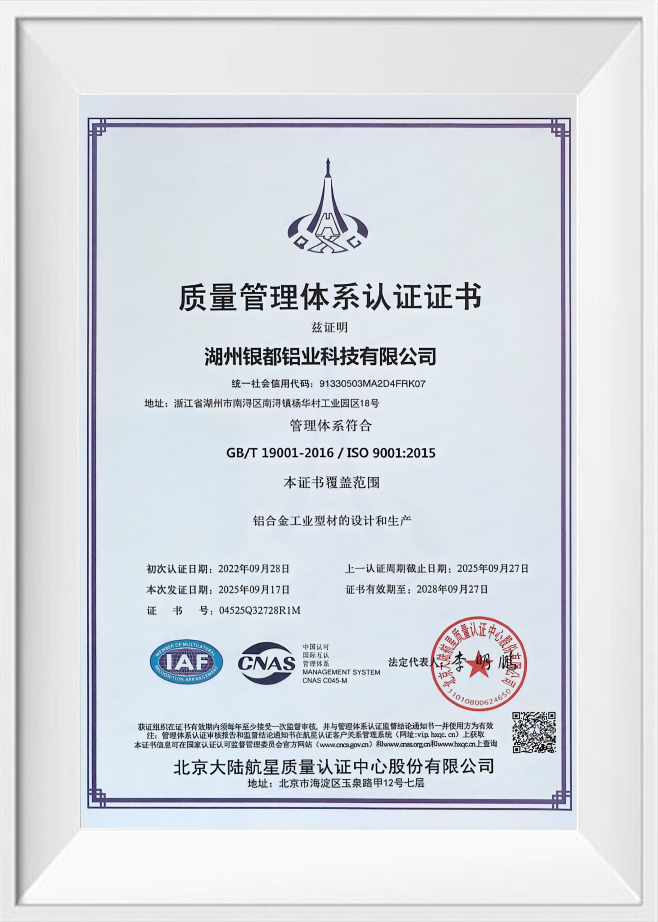
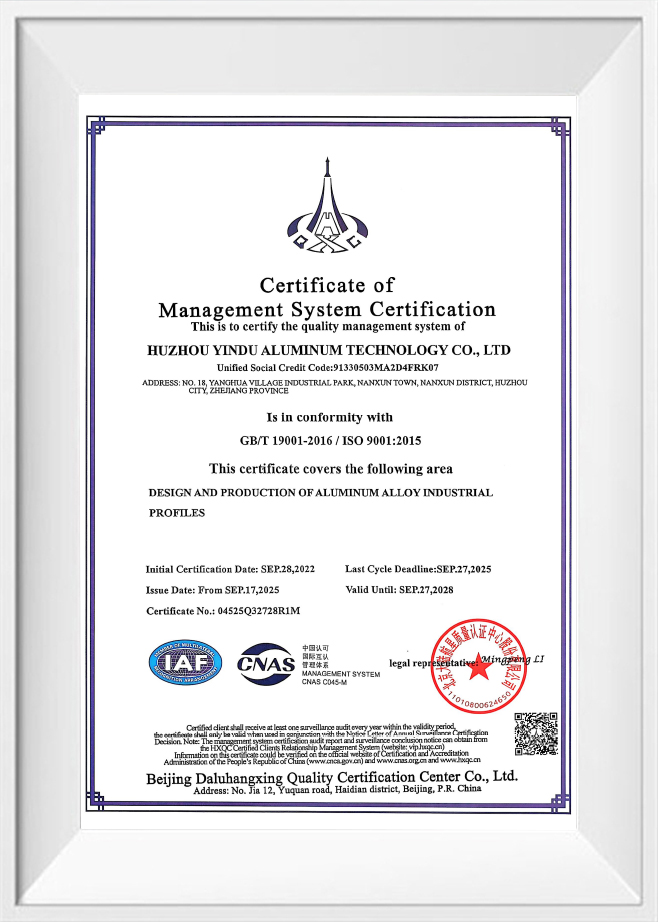
We can produce various aluminium alloy building and decorative materials according to customers’requirements; aluminium alloy tubes, rods, profiles used in industry, agriculture, vehicles, and ships. The anode oxidation and electrophoresis of aluminium alloy can produce different types of colors, such as black,bronze-colored, champagne color, imitate stainless steel color, silver-white rub sand, ordinary silvery white, hard oxidation, etc. Powder electrostatic painting can produce various tinted green aluminium profiles. The company also produces building tempered glass, escalator tempered glass, shower room tempered glass, etc. We have passed ISO9001 International Quality System, ISO 14001 environmental management system, ISO 45001 safety management system, and IATF 16949 quality management system.
Our“Yindu” products are well sold to Jiangsu, Zhejiang, Shanghai, Anhui, Shandong, Liaoning, Heilongjiang, Jilin, and other big and medium-sized cities, and some have been exported to Japan, Australia, France, Switzerland, Europe, and the United States. Quality for Credibility; Credibility for Market; Market for Reform; and Reform for Development”—This is our guide principle. Credibility is our Guarantee, Quality is our Root, and Service is our Tenet. We strive to provide reliable services for our customers with quality products, a wide variety, and reasonable prices. We hope that the “Yindu” aluminium alloy profile will become your preferred choice.
Our company is a local large-scale enterprise with more than 120million yuan in capital assets,42,000 square meters of covering area, and up to 10,000 tons of annual production capacity of aluminium profiles. With over 30 years of hard work and continuous development, we already have advanced equipment and scientific management. Presently, there are many workshops, including aluminium extrusion, mechanical polishing, oxidizing staining, electrophoretic painting, powder electrostatic painting, water spray paint, doors and windows making, machinery processing, etc., as well as a quality monitoring center, which formed a complete modernized production scale of aluminium profile. Custom Elevator Shaft Aluminum Profiles.
We can produce various aluminium alloy building and decorative materials according to customers’requirements; aluminium alloy tubes, rods, profiles used in industry, agriculture, vehicles, and ships. The anode oxidation and electrophoresis of aluminium alloy can produce different types of colors, such as black,bronze-colored, champagne color, imitate stainless steel color, silver-white rub sand, ordinary silvery white, hard oxidation, etc. Powder electrostatic painting can produce various tinted green aluminium profiles. The company also produces building tempered glass, escalator tempered glass, shower room tempered glass, etc. We have passed ISO9001 International Quality System, ISO 14001 environmental management system, ISO 45001 safety management system, and IATF 16949 quality management system.
Our“Yindu” products are well sold to Jiangsu, Zhejiang, Shanghai, Anhui, Shandong, Liaoning, Heilongjiang, Jilin, and other big and medium-sized cities, and some have been exported to Japan, Australia, France, Switzerland, Europe, and the United States. Quality for Credibility; Credibility for Market; Market for Reform; and Reform for Development”—This is our guide principle. Credibility is our Guarantee, Quality is our Root, and Service is our Tenet. We strive to provide reliable services for our customers with quality products, a wide variety, and reasonable prices. We hope that the “Yindu” aluminium alloy profile will become your preferred choice.
HONOR & CERTIFICATION
Certificate
What's News
-
Aluminum Window Frame Material Guide: Alloy, Wall Thickness, Finishes, and Thermal Breaks
-
Aluminum Physical Properties and Chemical Properties: A Practical Engineering GuideWhen a design engineer specifies an aluminum profile for an elevator car, a heat sink, or a shower ...READ MORE
-
Aluminum Frame for Solar Panel: Alloy, Finish, Tolerance & Sourcing GuideAn extrusion supplier calls you with a simple question: should the aluminum frame for your solar pa...READ MORE
-
Aluminium Structure for Solar Mounting: A Practical Material Guide and Selection TipsImagine servicing a solar array on a rooftop in a humid, salt-air environment. Five years after ins...READ MORE
-
Anodized Finish Guide: Process Types, Coating Thickness, and Quality ControlAnodized finish is not a layer applied on top of aluminum. It is the aluminum surface itself, conve...READ MORE

Address
No. 18, Industrial Park, Yanghua Village, Nanxun Town, Nanxun District, Huzhou City, Zhejiang Province, China
Quick Menu
Subscribe newslatter
Copyright © Huzhou Yindu Aluminum Technology Co. , Ltd. Rights Reserved.

Custom Elevator Shaft Aluminum Profiles Factory

