


 English
 Français
 中文简体

Choosing a China CNC Machining Company: Tolerances, Finishes, and RFQs
Content
- 1 What Actually Separates One Supplier From Another
- 2 Where China's Machining Capacity Concentrates
- 3 Tolerances That Survive the Plating Tank
- 4 Profile Geometry Decides Your Machining Cost
- 5 Finishing: Where Appearance and Fit Are Won or Lost
- 6 Paperwork: The Part of the Order That Gets Audited
- 7 An RFQ Package That Produces Comparable Quotes
- 8 A Two-Week Vetting Sequence
Five suppliers in Guangdong, Zhejiang, and Jiangsu quote the same machined aluminum housing. Three land within 8% of each other, one comes in 40% cheaper, and one is 40% higher but arrives with a first article inspection report, mill certificates, and a hard anodize spec sheet. The three close quotes are answering the question you asked. The other two are answering different questions, and only one of them is still useful to you.
Here is the short version: on aluminum parts, the machining center is rarely where a project fails. Problems cluster upstream at the extrusion die and downstream at the anodize line, and they show up later as tolerance stack-up, color mismatch between lots, or paperwork that will not clear incoming inspection. Vet a China CNC machining company across those three layers before you start arguing about hourly rates.
What Actually Separates One Supplier From Another
Aluminum machining in China splits into two supplier types. A machine shop buys extruded bar or billet and cuts metal. An integrated profile manufacturer such as Huzhou Yindu Aluminum Technology extrudes the section, machines it, and finishes it in the same plant. Both can hold ±0.05 mm on a milled pocket. They differ in what happens between operations.
Every handoff adds handling, re-fixturing, and a fresh datum. When extrusion, CNC machining, and anodizing sit under one roof, the fixture designed at the extrusion stage is the fixture used at the machine, and the anodize rack is planned before the first chip is cut. That is where a 12-day lead time becomes 9, and where a ±0.05 mm callout stays reachable after coating.
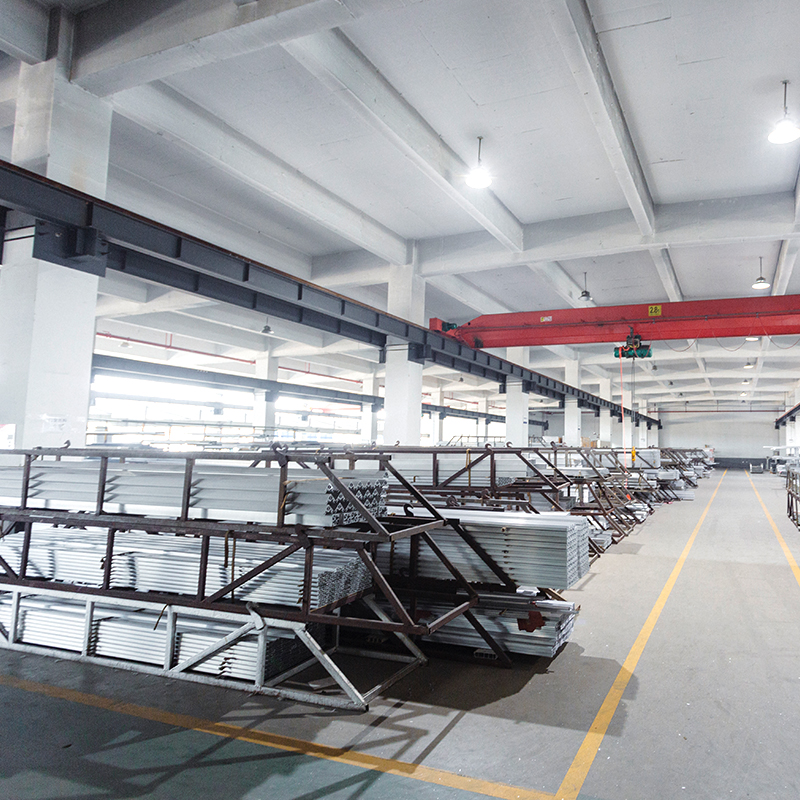
The company behind this article is a useful reference point for the integrated model: founded in 1985 as Huzhou 721 Plant, operating a 42,000 square meter facility in Nanxun, Huzhou, Zhejiang, with roughly 10,000 tons of annual aluminum extrusion capacity, in-house anodizing, hard anodizing, powder coating, PVDF, wood-grain finishing, and CNC machining of extruded profiles.
Where China's Machining Capacity Concentrates
Region tells you the default job mix, not the capability. Use it to build a shortlist, then verify with an audit and a paid sample order.
| Cluster | Typical strength | What to verify first |
|---|---|---|
| Yangtze River Delta (Suzhou, Ningbo, Huzhou) | Extrusion-fed machining, anodizing lines, elevator and appliance hardware | Die ownership, rack marks, anodize thickness control |
| Pearl River Delta (Shenzhen, Dongguan) | Fast prototypes, consumer electronics, small precision parts | Real machine list, in-house versus subcontracted finishing |
| North China (Tianjin, Hebei, Shandong) | Larger parts, casting plus machining, automotive programs | Certification scope, PPAP experience, gauge calibration |
| Inland (Chengdu, Xi'an, Wuhan) | Cost advantage, instrument and aerospace-adjacent work | Freight to port, export documentation, English QC reports |
Ask every candidate the same three questions: which operations are genuinely in-house, who owns the extrusion die used for your section, and what the last three deviations were on comparable parts. Vague answers on the third question are a better warning sign than a high price.
Tolerances That Survive the Plating Tank
Realistic numbers on aluminum: ±0.05 mm on milled features, ±0.1 mm on cut-to-length profile ends, and around 3.2 µm Ra on a clean finish pass without extra cost. Those figures apply to raw metal. Finishing changes them, and the change is not always in the direction you expect.
Type II sulfuric anodize builds roughly 5 to 25 µm, with about half growing outward and half penetrating the surface. Hard anodize runs 25 to 50 µm and grows further, especially on edges and corners. Specify on the drawing whether critical dimensions are measured before or after finishing, and decide early which threads, bores, and mating faces get masked. A 0.02 to 0.03 mm stock allowance per coated surface solves most fit problems before they reach the assembly line.
| Finish | Typical build | Effect on fits |
|---|---|---|
| Clear anodize, Type II | 5-15 µm | External surfaces usually hold; bores tighten |
| Black anodize, Type II | 5-25 µm | Color shifts lot to lot with alloy and temper |
| Hard anodize, Type III | 25-50 µm | Plan stock allowances; sharp corners crack |
| Powder coat | 60-120 µm | Threads and bores must be masked |
| PVDF | 25-40 µm | Exterior UV stability; not for tight fits |
Profile Geometry Decides Your Machining Cost
When a part starts life as a custom extrusion, the die sets the cost ceiling long before the spindle turns. Wall thickness, tongue ratio, and symmetry determine how fast the press can run and how much straightening the profile needs. Looser tolerance classes cut die cost and reject rate; tighter ones buy straightness you may not need.
A new die is a one-time charge, often quoted in the low thousands of US dollars and amortized across your program. Whoever pays for it should own it, and that ownership should be in writing. For repeat orders, a die you control can be moved to another press if quality slips.
Near-net extrusion is where the real savings hide. A section that leaves 1 to 2 mm of stock on machined faces cuts cycle time dramatically compared with machining from solid bar. Hollow sections need a bridge or porthole die, which leaves a seam weld line that should never land on a visible face or a sealing surface.
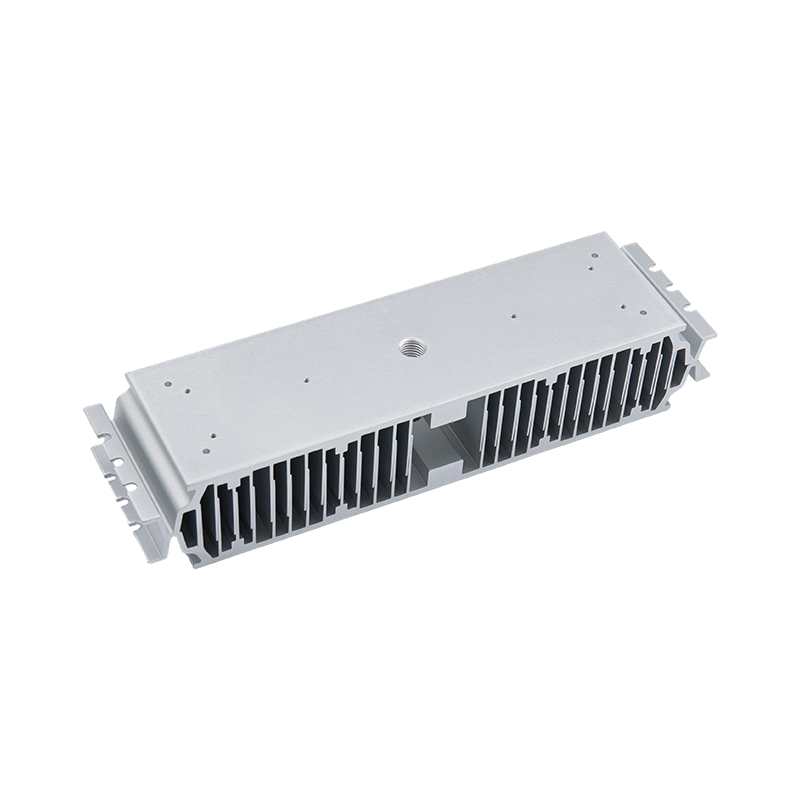
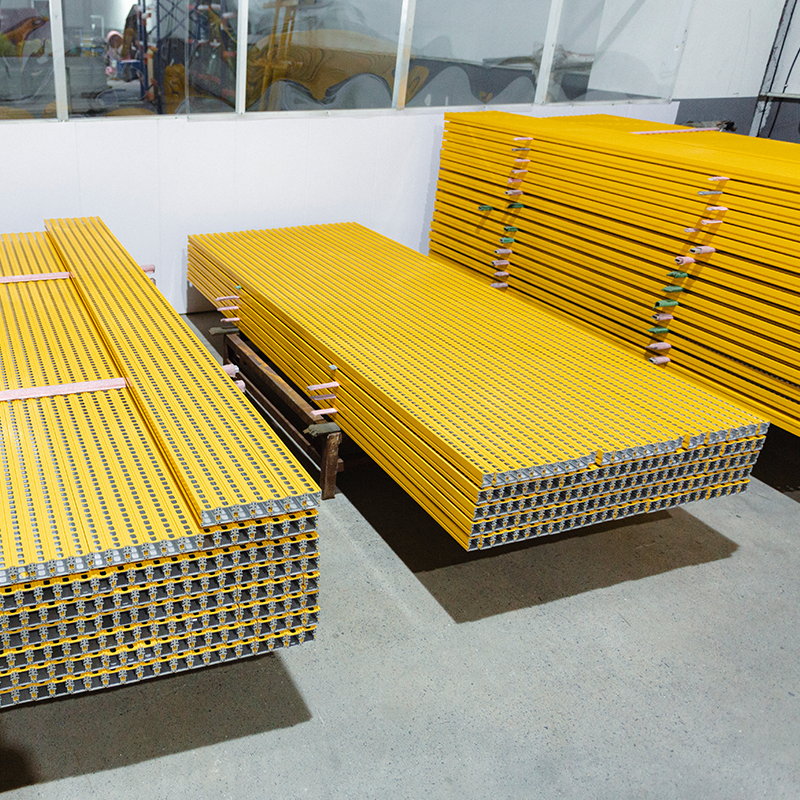 CNC Machining for Custom Aluminum Extrusion ProfilesPrecision cutting, milling and turning for extruded profiles, with anodizing options; useful when balancing stock removal and lot color control.View Product →
Finishing: Where Appearance and Fit Are Won or Lost
Color matching across lots is the single most common complaint on anodized work, and it usually has nothing to do with the coater's skill. Alloy and temper change dye uptake. 6063 anodizes more cleanly than 6061, and recycled billet introduces variation that no bath schedule fully removes. Ask for a signed color master and lot samples before the first production run, and keep the master on file for reorders.
Wear surfaces and outdoor hardware call for harder coatings. A 25 to 50 µm hard anodize layer resists abrasion on sliding parts, but it also builds on edges and can crack at sharp internal corners, so radii on the drawing matter as much as the coating spec. Masking is the other half of the job: threads, bores, and mating faces need protection, and that instruction belongs on the drawing rather than in an email three weeks into production.
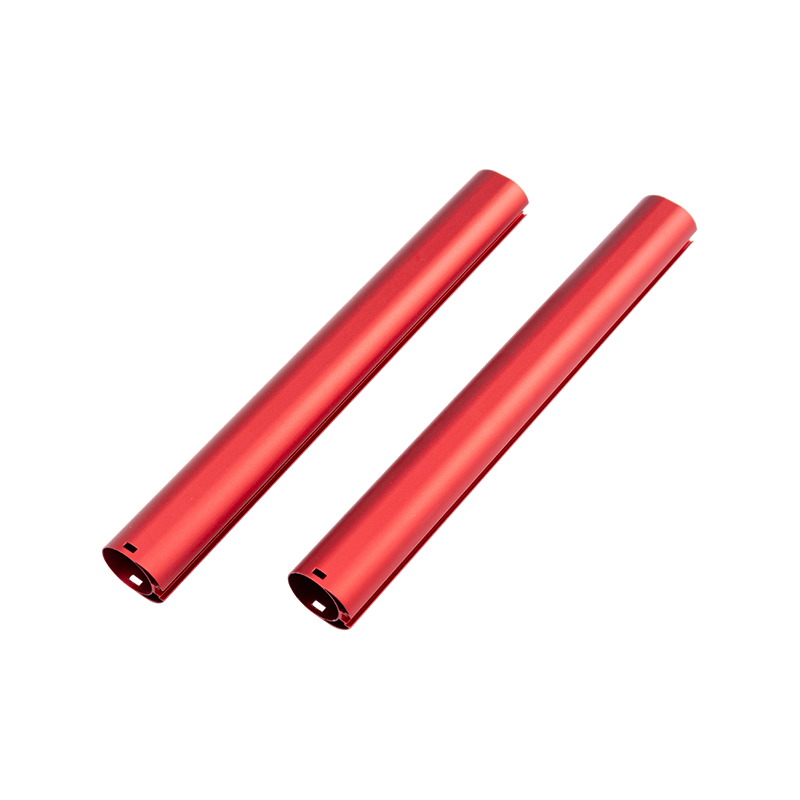
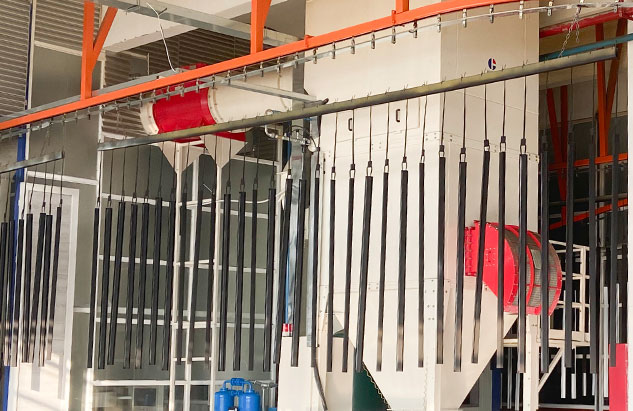 Hard Anodizing for Wear-Resistant Aluminum ComponentsThick oxide coatings for sliding parts and outdoor hardware, with masking guidance for threads, bores and mating faces before production.View Product →
Paperwork: The Part of the Order That Gets Audited
ISO 9001 is the baseline for any serious exporter. Automotive buyers usually push further toward IATF 16949, which brings control plans, measurement system analysis, and PPAP submissions at Levels 3 or 4 depending on the customer. Even for industrial work, ask for material certificates to EN 10204 3.1 with alloy and temper stated, RoHS and REACH declarations, and a dimensional report backed by CMM data rather than a hand-written tick sheet.
Two details catch buyers out repeatedly. First, the certificate of conformity should name the standard, the coating thickness range, and the inspection sampling plan, not just a stamp. Second, gauge calibration records matter as much as the measurement itself; an out-of-calibration micrometer produces confident, wrong numbers. A supplier that voluntarily shares a deviation log and its corrective actions is usually the safer partner than one with a perfect record and nothing to show.
An RFQ Package That Produces Comparable Quotes
Most price spreads between Chinese suppliers come from missing information, not from efficiency. Send the same package to every candidate:
- A 2D drawing with GD&T plus a STEP file, both revision-controlled and dated.
- The alloy and temper, such as 6063-T5 or 6061-T6, stated explicitly rather than left to the supplier.
- The five to ten dimensions that genuinely matter, flagged, with the rest covered by a general tolerance block.
- The finish callout with a standard reference, coating thickness range, and masking instructions.
- A quantity ladder, for example 100, 500, and 2,000 pieces, so tooling amortization is visible.
- Inspection requirements: first article report, sampling level, and whether CMM data is needed.
- Packaging, Incoterm, destination port, and required delivery date.
When the quotes return, compare them line by line. A quote that folds tooling into the unit price is not cheaper, it is just less transparent, and a price that excludes anodize will look attractive right up to the purchase order. The variables that move a quote most are die amortization, rack-based finishing charges, and inspection scope; the process and cost breakdown for CNC aluminum extrusion walks through how each one is usually priced.
A Two-Week Vetting Sequence
- Day 1-2: request the machine list with brand, year, and axis count, plus a video walkthrough of the floor rather than a photo set.
- Day 3-4: ask for the extrusion die register and the anodize line layout, including rack positions and maximum profile length.
- Day 5-7: place a paid sample order of 20 to 50 parts with a first article report attached.
- Day 8-10: check the samples against the drawing yourself, then send one part out for independent coating thickness verification.
- Day 11-14: request the deviation log for the last six months and one reference customer in your industry.
Red flags worth acting on: reluctance to name subcontractors, quoting a tolerance tighter than the drawing requires without asking why, and revised lead times that appear only after the deposit clears.
Match the process to the part and the supplier conversation changes. A machined billet part with a cosmetic anodize finish needs a different partner than a 3-meter extruded profile with masked bores and a hard coat. Decide which of those you are buying, put the tolerance, finish, and inspection requirements on one drawing, and send it to three suppliers whose in-house operations match that list. The quotes will finally be comparable, and the cheapest one will usually turn out to be the one that understood the question.
Previous Post
CNC Machining Explained: Processes, Tolerances and Aluminum Parts Guide
Next Post
Anodized Aluminum Parts: How Alloy, Coating Type, and Sealing Decide Performance

Address
No. 18, Industrial Park, Yanghua Village, Nanxun Town, Nanxun District, Huzhou City, Zhejiang Province, China
Quick Menu
Subscribe newslatter
Copyright © Huzhou Yindu Aluminum Technology Co. , Ltd. Rights Reserved.
 Custom Aluminum Extrusions Manufacturers

