


 English
 Français
 中文简体

Anodized Aluminum Parts: How Alloy, Coating Type, and Sealing Decide Performance
Content
- 1 What the oxide layer actually is
- 2 Type II or Type III: pick by wear and exposure
- 3 Hard anodizing: when 25 microns is not optional
- 4 Alloy, temper, and extrusion geometry decide the look
- 5 Machining, masking, and dimensional growth
- 6 Defects and what actually causes them
- 7 A specification checklist for the purchase order
- 8 Where anodized parts do the most work
The sample passed inspection in March. Six weeks later, the production batch arrived with a purple cast under office lighting, and the surface scratched at 3 N where the approved piece had held at 5 N. Nothing on the drawing had changed.
Anodized aluminum parts fail that way because anodizing is not something applied on top of the metal. It is an oxide layer grown out of the aluminum itself, and its color, thickness, hardness, and corrosion performance are decided by four factors working together: alloy chemistry, the anodizing type, the bath parameters, and the sealing method. Align all four and the surface outlasts paint or powder coating by years. Miss one and the failure appears after assembly, when rework is at its most expensive.
What the oxide layer actually is
Anodizing makes the part the anode in an electrolytic cell. A cathode sits in the electrolyte, usually sulfuric acid for decorative and general industrial work, and direct current drives oxygen into the aluminum surface, converting it into aluminum oxide. Because the layer forms from the substrate rather than sitting on it, there is no interface to peel. That is the main reason anodized parts survive humid, abrasive, and mildly chemical service where organic coatings eventually lift.
The grown layer is porous at a microscopic level, and that porosity does two useful things. It accepts dye, which is how clear, black, bronze, gold, and custom shades are produced, and it gives the sealing stage something to close. Hot water, nickel acetate, or cold sealing hydrate the pores and shut them, locking in the color and improving corrosion resistance.
Two numbers matter during design. A Type II sulfuric anodize adds roughly 5 to 25 microns of oxide, and dimensional growth is about half the coating thickness per surface. A part that has to hold a 0.05 mm clearance cannot be anodized after final machining unless that growth is planned into the tolerance stack.
Type II or Type III: pick by wear and exposure
Most demand lands in two categories. Decorative and mildly protective work uses Type II sulfuric anodizing. Sliding-contact surfaces, marine hardware, and parts that will be handled heavily use Type III hard anodizing. The choice sets how thick the layer becomes, how hard it gets, and how much color flexibility survives.
| Finish type | Coating thickness | Typical hardness | Color options | Best-fit duty |
|---|---|---|---|---|
| Type I (chromic acid) | 0.5 to 7 microns | Softer than Type II | Clear, darkens with thickness | Fatigue-critical and aerospace parts needing a thin, crack-resistant layer |
| Type II (sulfuric acid) | 5 to 25 microns | Roughly 200 to 350 HV | Clear, black, bronze, dyed shades | Decorative and protective trim, housings, and appliance profiles |
| Type III (hard anodize) | 25 to 50 microns, more on request | Roughly 400 to 600 HV | Limited, mostly dark natural tones | Wear surfaces, sliding contact, marine and industrial hardware |
Type II is the workhorse for extruded profiles because it holds color consistency across long lengths and runs reliably in clear or dyed finishes. A clear sulfuric anodize on a 6063 extrusion is what most architectural trim, elevator finishes, and appliance components use, and it is the finish to specify when appearance and weather resistance both count but surface hardness is not the limiting factor.
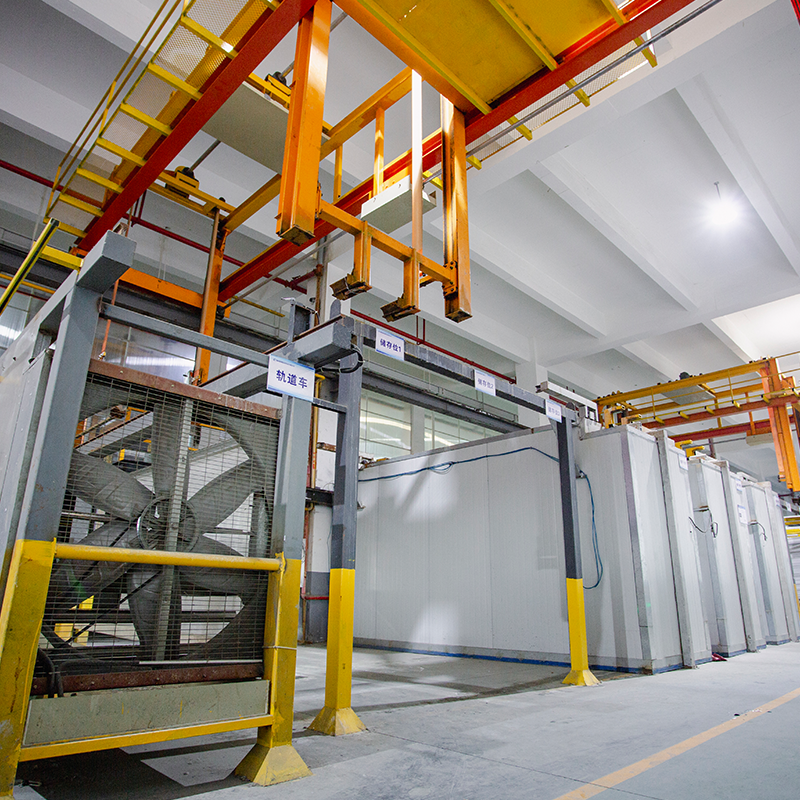 Anodized Aluminum Extrusion Profiles and Finishing OptionsCompare standard and colored anodizing with AA10–AA25 thickness options and fabrication services for architectural, industrial, and decorative extrusion needs.View Product →
Hard anodizing: when 25 microns is not optional
Hard anodizing runs at lower electrolyte temperature and higher current density, which builds a denser, thicker oxide. The trade-offs are real and worth naming up front. Color range narrows to dark natural tones, sharp corners can crack the layer unless a minimum radius of about 0.5 mm is specified, and the process reduces fatigue strength in the substrate, which matters for cyclically loaded parts.
Dimensional planning becomes stricter as well. At 25 microns per surface, a shaft that must fit a ground bore needs either masking at the fit or a grinding allowance built into the pre-anodized diameter. Buyers who specify hard anodizing purely as a corrosion upgrade often discover the wear-resistance benefit second, after the first set of threads seizes because they were not masked.
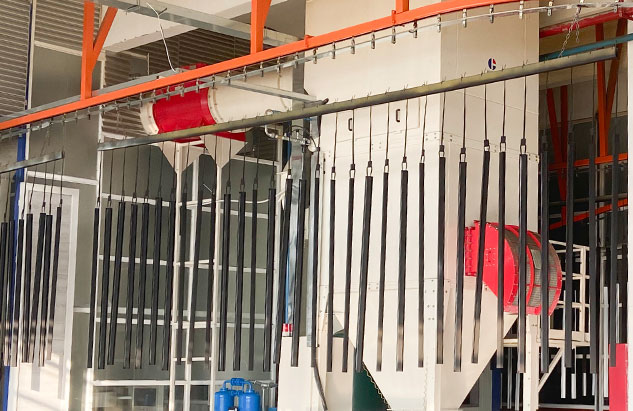 Hard Anodizing for Wear-Resistant Aluminum Alloy ComponentsProduces 25–100 µm oxide films at 300–600 HV, with masking and dimensional allowances important for wear-critical shafts, pins, and tooling.View Product →
Alloy, temper, and extrusion geometry decide the look
Alloy choice affects the finished appearance more than most buyers expect. Copper, silicon, zinc, and iron behave differently in the bath, and the same anodizing recipe can produce a bright silver on one alloy and a cloudy grey on another.
- 6063 and 6005A are the standard extrusion alloys for bright clear anodizing, with minimal streaking on long runs.
- 6061 anodizes well and is a good general-purpose choice, though clear finishes read slightly grey.
- 5052 sheet takes a clean bright anodize and is common for enclosures and panels.
- 7075 responds well to hard anodizing but shows noticeable color variation because of its copper and zinc content.
- Cast alloys with high silicon content anodize unevenly and rarely justify the cost for visible parts.
Geometry matters too. Die lines and weld lines show through a clear anodize, so a light etch or bead blast is often specified to even out the surface before the bath. The relationship between alloy selection, die design, and final surface quality is covered in more depth in this guide on aluminum extrusion profiles, process, and alloy design.
Machining, masking, and dimensional growth
Should the part be machined before or after anodizing? The default answer is before. The oxide layer is harder than most cutting tools, so post-anodize machining dulls tooling quickly, and every cut breaks through the anodized skin and exposes bare aluminum. Two exceptions exist: sealing faces that must be flat to within a few microns are sometimes lapped after anodizing, and threads are frequently masked or cut oversize.
- Mask threads, electrical contact points, and press-fit bores, and expect masked edges to move by roughly 0.01 mm.
- Radius all external corners to at least 0.5 mm for hard anodize and 0.3 mm for Type II.
- Allow 12 microns of growth per surface for Type II and 25 microns for Type III in the tolerance stack.
- Keep blind holes above a 3:1 depth-to-diameter ratio only if the anodizer can rack the part to drain electrolyte and rinse properly.
- Keep racking contact points on a non-cosmetic face, since each contact leaves a small unanodized mark.
Parts that combine extrusion, machining, and finishing in one supply chain avoid the worst of these problems, because one team controls the pre-anodize surface condition, the masking map, and the final inspection. That integration is where 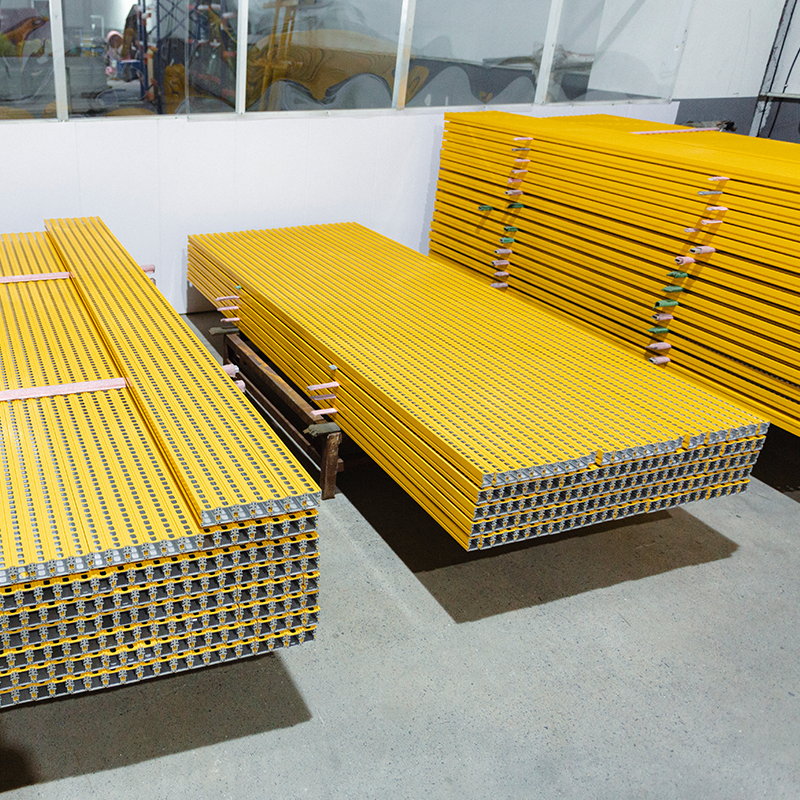 CNC Machining Services for Aluminum Extrusion ProfilesCombines precision cutting, 3/4/5-axis milling, turning, and plasma cutting with optional anodizing, painting, and assembly for integrated extrusion projects.View Product → a coordinated extrusion and machining service becomes valuable rather than a convenience.
Defects and what actually causes them
Almost every anodizing complaint traces back to a variable that was never specified. The five recurring ones:
- Batch-to-batch color shift: dye concentration, bath temperature, alloy lot, and sealing duration all move the shade, so a physical master sample and a stated color-difference tolerance are essential.
- Streaking and smut: extrusion die lines or incomplete etching before anodizing.
- Burning or powdery white edges: excessive current density on sharp corners or poor racking contact.
- Pitting: chlorides in the bath or contamination carried in on the part surface.
- Sealing failure: cold-seal chemistry drifting out of range, which shows up later as dye bleed and early corrosion in salt spray.
Suppliers with a documented quality system hold bath chemistry and sealing parameters within range across lots rather than relying on operator judgment. An extruder that has earned IATF 16949 certification is working from controlled process documentation, which is the practical difference between a repeatable finish and a lucky one.
A specification checklist for the purchase order
Put these on the drawing or the PO and most disputes disappear before the first shipment:
- Alloy and temper designation, written in full, such as 6063-T5.
- Anodizing type and the governing standard, for example Type II to ISO 7599 or Type III Class 1 to MIL-A-8625.
- Coating thickness with the test method, such as eddy current measurement to ASTM B244, plus the number and location of measurement points.
- Color target with a retained master sample and an acceptable color-difference range under defined lighting.
- Sealing verification, either a dye stain test or a stated number of salt spray hours.
- A masking map showing threads, bores, and contact surfaces that must stay conductive.
- Packaging that keeps finished parts separated, since freshly sealed surfaces abrade against each other in transit.
Where anodized parts do the most work
In volume production, anodizing is rarely chosen for appearance alone. It carries a functional job in each application:
- Elevator car and shaft profiles: humidity and cleaning chemicals in shafts demand corrosion resistance, while visible panels need scratch resistance.
- Heat sinks and heater profiles: the oxide layer provides a dielectric barrier while the aluminum core continues to conduct heat away.
- Kitchenware: heat exposure plus frequent washing, with matte finishes hiding the scratches that polished surfaces show.
- Shower enclosures and towel racks: constant moisture and a decorative appearance requirement in the same part.
- Socket and electrical profiles: an insulating surface on a metal housing.
- Vacuum tube components: high-temperature service where organic coatings would degrade.
Anodized aluminum parts reward specificity. Write the alloy, the anodizing type, the thickness class, the color reference, the sealing test, and the masking map onto the drawing, and the finish stops being a variable. Then compare the first production lot with the master sample under the lighting the end user will actually see, not the lighting in the inspection room. That single habit prevents most of the rejections that anodizing gets blamed for.
Previous Post
Choosing a China CNC Machining Company: Tolerances, Finishes, and RFQs
Next Post
Anodized Aluminum Extrusions: Types, Thickness Grades, and Alloy Choices

Address
No. 18, Industrial Park, Yanghua Village, Nanxun Town, Nanxun District, Huzhou City, Zhejiang Province, China
Quick Menu
Subscribe newslatter
Copyright © Huzhou Yindu Aluminum Technology Co. , Ltd. Rights Reserved.
 Custom Aluminum Extrusions Manufacturers

