


 English
 Français
 中文简体
中文简体
Anodized Finish Guide: Process Types, Coating Thickness, and Quality Control
Content
Anodized finish is not a layer applied on top of aluminum. It is the aluminum surface itself, converted into a dense oxide film by an electrochemical process. This means the finish cannot peel or flake like paint. For buyers of aluminum profiles, the practical result is a surface with corrosion resistance, wear resistance, and a uniform metallic appearance that holds up for years.
The key decision when specifying anodized aluminum is not simply whether to anodize, but which type of anodizing matches your use case. A decorative interior profile requires a different coating than a high-wear heat sink or a marine-grade component. Understanding these differences before you order can save you from costly rework.
How the Anodizing Process Works
The anodizing process uses an electrolytic cell. The aluminum part acts as the anode, while a conductive counter-electrode serves as the cathode. Both are immersed in an acid electrolyte bath, typically dilute sulfuric acid for most commercial applications.
When direct current passes through the cell, oxygen ions are released at the aluminum surface and react with the metal to form aluminum oxide. The oxide layer grows both inward and outward from the original surface. This growth pattern is what makes anodizing fundamentally different from plating or painting. The coating is not a separate film but a transformation of the aluminum itself.
The oxide structure consists of a thin barrier layer at the base and a thicker porous layer above it. The porous layer is critical because it allows the surface to absorb dyes for coloring. After the anodizing step, the pores are sealed using hot water or nickel acetate to lock in the color and improve corrosion resistance.
Process parameters directly affect the final coating. Current density, bath temperature, and anodizing time determine coating thickness and hardness. A 10-micron Type II coating might take 20 to 30 minutes, while a 40- to 50-micron hard anodized coating can require several hours of processing time.
Types of Anodized Finishes
Chromic Acid Anodizing (Type I)
Chromic acid anodizing produces a thin, dense oxide layer typically 2 to 5 microns thick. It offers excellent corrosion resistance with minimal change to part dimensions. Type I is often used for precision aerospace components and parts that require tight tolerances. The coating also forms an excellent primer for subsequent painting.
Sulfuric Acid Anodizing (Type II)
Sulfuric acid anodizing is the default choice for most commercial aluminum profiles. It produces a coating thickness of 5 to 25 microns and provides a good balance of corrosion protection, appearance, and cost. Type II surfaces accept dyes well, which makes it the preferred route for decorative architectural finishes where a consistent metallic color is required.
Hard Anodizing (Type III)
Hard anodizing is carried out at lower bath temperatures, usually around freezing point, and with higher current densities. The resulting coating is 25 to 50 microns thick, with a surface hardness typically in the 300 to 500 HV range. For context, standard Type II coatings usually fall between 200 and 300 HV. Type III is specified for components facing high wear, such as heat sink profiles, pump housings, and sliding tracks.
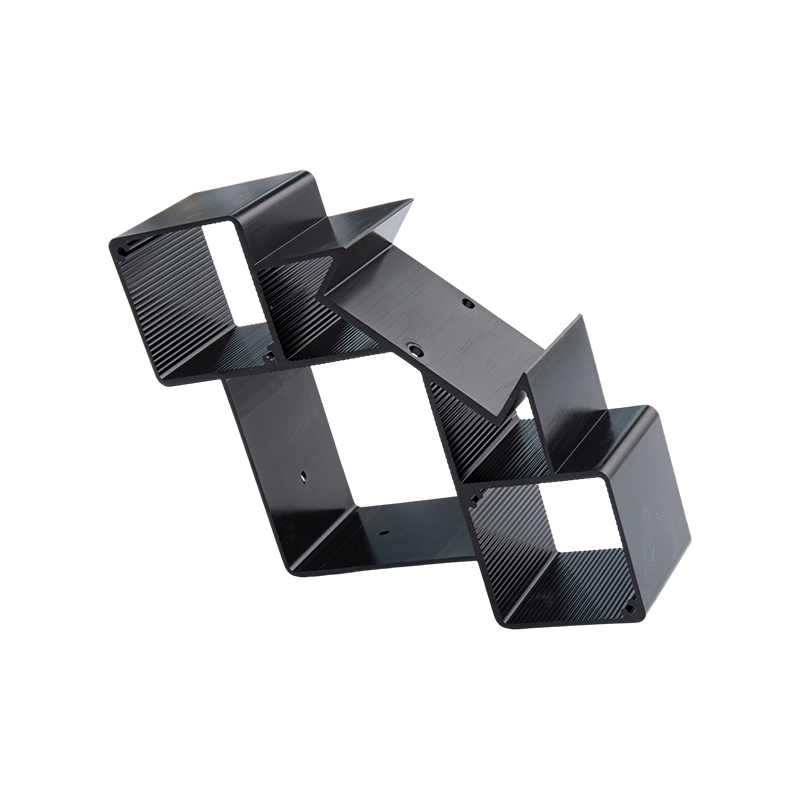
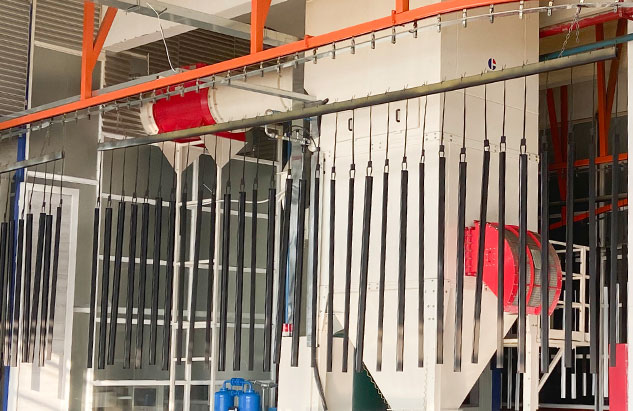 Hard Anodizing for Aluminum Alloys: Thick, Wear-Resistant CoatingHard anodizing creates a 25–100µm oxide layer with 300–600 HV hardness, ideal for high-wear components like heat sinks and sliding tracks. This process suits parts needing durability beyond standard Type II coatings.View Product →
Coating Thickness and Performance Specifications
| Type | Typical Thickness | Surface Hardness | Common Applications |
|---|---|---|---|
| Type I (Chromic) | 2-5 microns | Lower, non-measurable | Precision aerospace, threaded parts |
| Type II (Sulfuric) | 5-25 microns | 200-300 HV | Architectural, decorative, general profiles |
| Type III (Hard) | 25-50 microns | 300-500 HV | Heat sinks, elevator profiles, wear surfaces |
Anodized vs Powder Coated Aluminum
Anodizing and powder coating are the two most common finishing methods for aluminum profiles, but they solve different problems. Knowing the difference prevents costly specification mistakes.
Anodizing converts the metal surface into oxide. The finish is part of the aluminum itself, so it cannot peel or chip off. It retains a natural metallic appearance and is highly resistant to UV fading. The main limitation is a relatively thin coating compared to powder coat, which means it does little to improve impact resistance.
Powder coating applies a polymer layer typically 60 to 120 microns thick. It offers a wider palette of colors and can hide surface imperfections. However, a powder coated surface can chip on impact, and the polymer layer can fade or chalk over time in strong sunlight.
For outdoor architectural profiles, anodizing is often the better choice because the oxide layer is stable under UV exposure and does not suffer from coating adhesion problems. For parts that will be handled in harsh conditions and need a thick protective layer, powder coating is still a valid option. In practice, many manufacturers offer both so you can match the finish to the installation environment.
What to Specify When Ordering Anodized Profiles
Ordering anodized aluminum profiles is not just about choosing a color code. Several technical details affect the final result and should be confirmed with your supplier before production.
Alloy selection is the first factor. The 6000-series alloys, particularly 6063 and 6061, are the standard for anodized architectural profiles. They produce a uniform oxide layer and accept dyes consistently. Higher-copper alloys like 2024 are more difficult to anodize and tend to produce a darker, less uniform coating.
Surface preparation matters. Extrusion lines and handling marks can remain visible after anodizing unless the profile is mechanically polished or sandblasted before the anodizing bath. If a bright or matte finish is required, make that clear in your specification.
The extrusion profile geometry also influences the result. Sharp internal corners can create uneven current flow, which leads to coating thickness variations. A design with adequate fillet radii and smooth transitions produces a more consistent finish. For more on this, see our overview of aluminum extrusion process and alloy considerations.
Color and sealing requirements should be stated explicitly. Clear or natural finishes show the metal tone, while dyed finishes need to be specified by a color reference number. Sealing is typically done with hot water or nickel acetate. A well-sealed coating resists staining and provides better corrosion resistance. For hard anodized parts, sealing is sometimes omitted to preserve maximum hardness, but this is a trade-off you should discuss with the supplier.
Finally, define the coating thickness. Interior decorative profiles usually need 8 to 15 microns. Exterior architectural profiles should be specified at 20 to 25 microns. Heavy-wear components might require 40 microns or more. These figures directly affect cost and lead time, so be precise.
Where Anodized Finishes Deliver the Most Value
Anodized finishes provide the most benefit when the aluminum profile faces a combination of moisture, mechanical wear, and UV exposure.
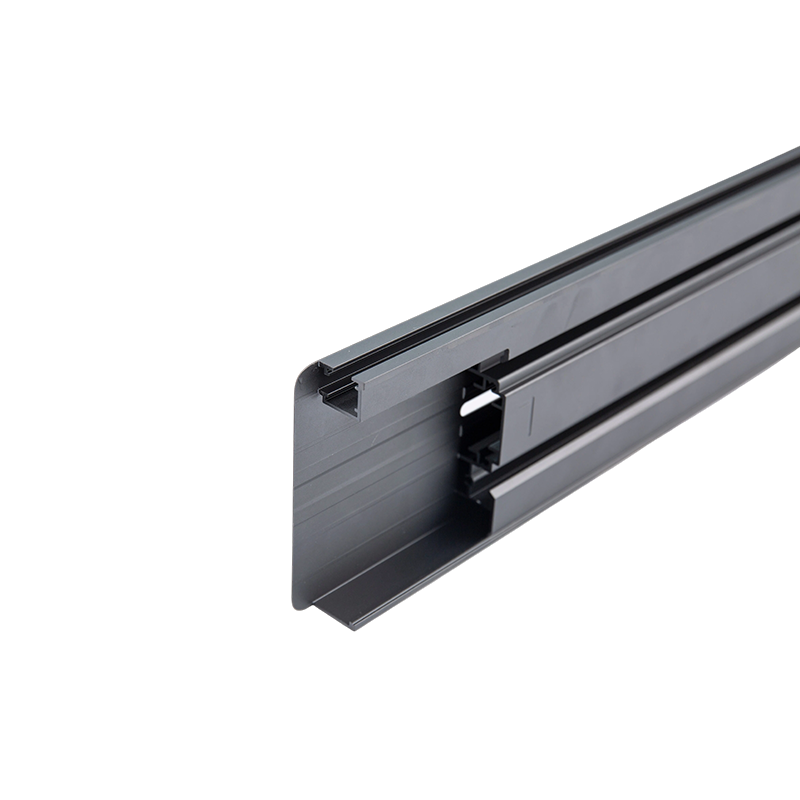
In elevator applications, high-strength anodized car profiles are specified because the finish withstands constant contact and frequent cleaning. The anodized layer prevents the white oxide staining that often appears on untreated aluminum in humid environments.
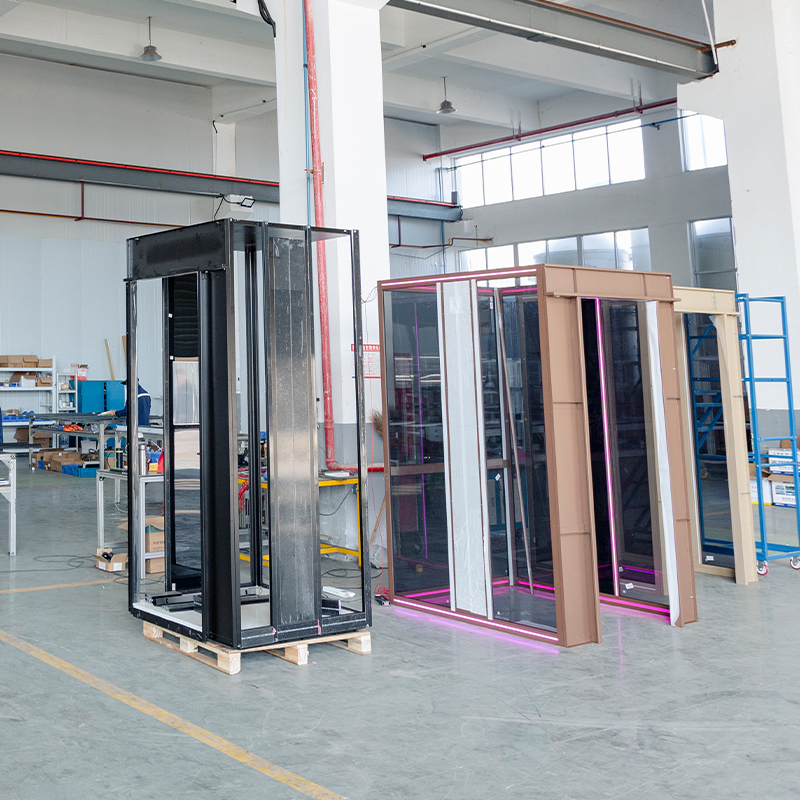 High-Strength Anodized Aluminum Profiles for Elevator CarsMade from 6063/6061 alloy with T5 temper, these profiles offer structural rigidity and scratch resistance. The anodized finish prevents staining and reduces maintenance in humid, high-use elevator environments.View Product →
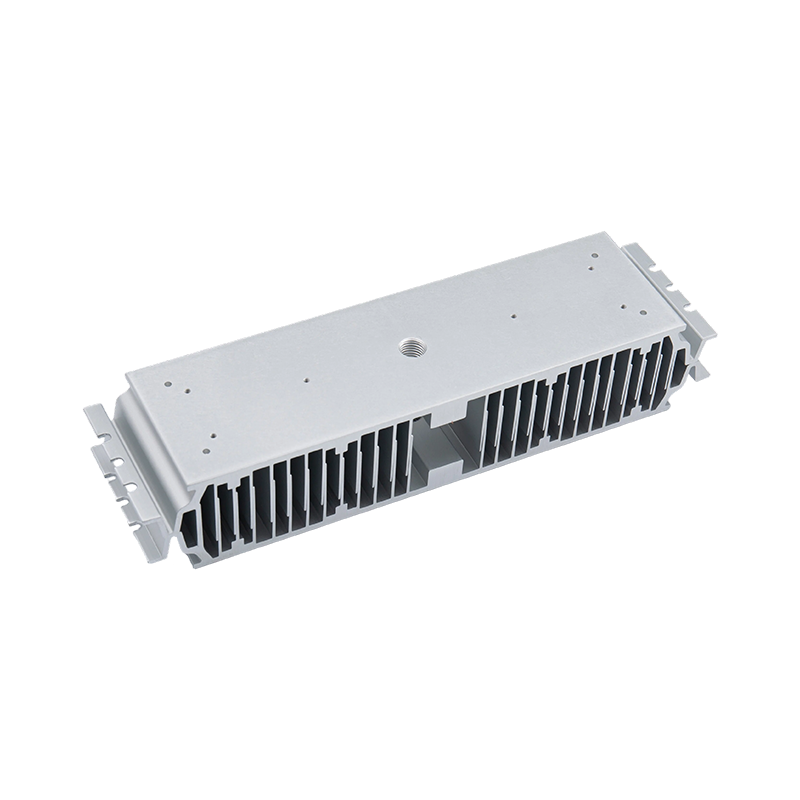
For heat sinks, anodizing serves a functional purpose. The oxide layer is electrically insulating, which allows the heat sink to touch electronic components without additional insulation tape. At the same time, an anodized surface radiates heat more efficiently than bare aluminum, improving overall thermal performance.
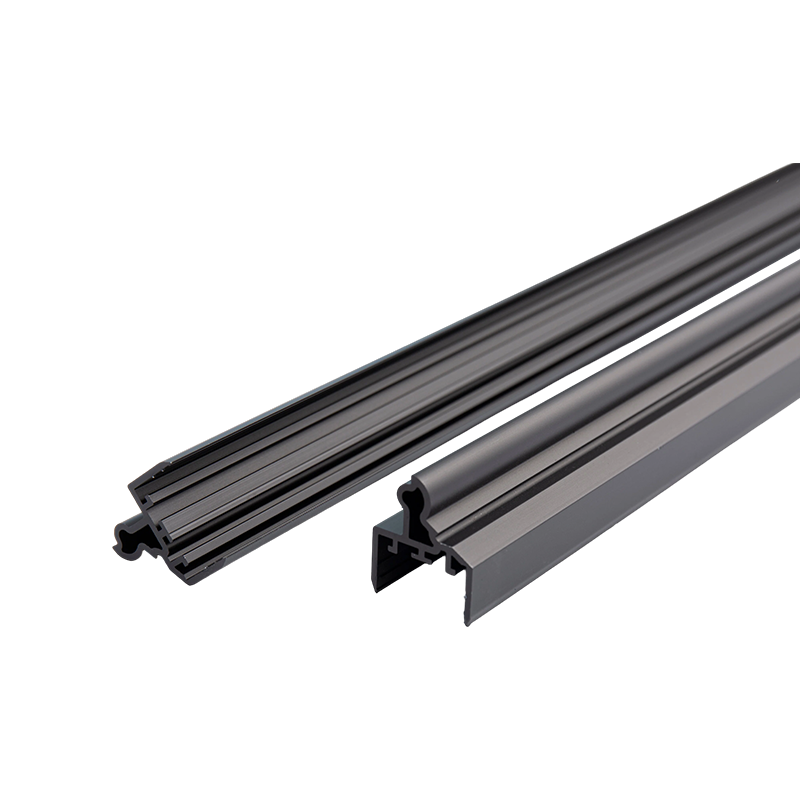
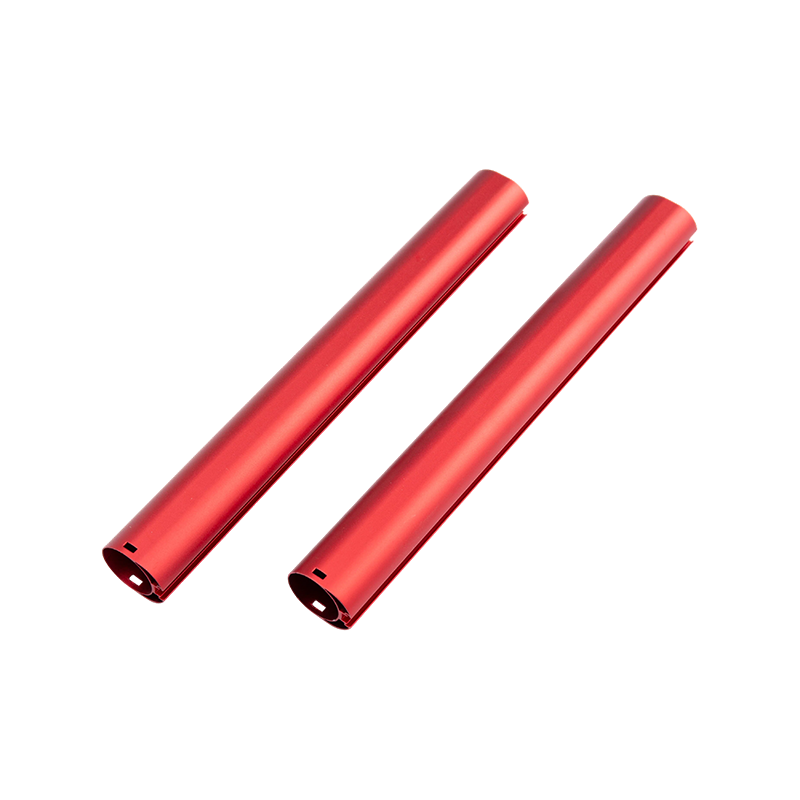
 Anodized Aluminum Extrusions in Various Colors and FinishesAvailable in silver, black, bronze, champagne, and custom colors, with anodizing thicknesses from AA10 to AA25. Suitable for kitchenware and shower enclosures, the finish is durable and easy to clean.View Product →
Kitchenware and shower enclosure profiles benefit from anodizing in similar ways. The finish is easy to clean and does not corrode after repeated exposure to water, cleaning agents, or food contact. Colored anodized shower profiles retain a consistent appearance year after year because the dye is embedded in the oxide layer rather than sitting in a surface film.
For kitchenware, a matte, high-temperature-resistant anodized surface reduces the risk of food sticking and simplifies washing. These practical advantages are why anodized finishes are standard in products where hygiene and durability matter.
Previous Post
Aluminium Structure for Solar Mounting: A Practical Material Guide and Selection Tips
Next Post
Aluminium Anodizing Colours: Options, Limits, and How to Specify Them Correctly

Address
No. 18, Industrial Park, Yanghua Village, Nanxun Town, Nanxun District, Huzhou City, Zhejiang Province, China
Quick Menu
Subscribe newslatter
Copyright © Huzhou Yindu Aluminum Technology Co. , Ltd. Rights Reserved.
 Custom Aluminum Extrusions Manufacturers

