


 English
 Français
 中文简体
中文简体
Aluminium Anodizing Colours: Options, Limits, and How to Specify Them Correctly
Content
- 1 What anodizing does to aluminium
- 2 Which aluminium anodizing colours are actually available
- 3 How coloured anodized aluminium is produced
- 4 Why the same specification can deliver different colours
- 5 How part geometry changes the final colour
- 6 Hard anodizing has its own colour limits
- 7 How to specify anodizing colour so production can deliver
- 8 Where coloured anodized aluminium is used
A production manager orders 500 metres of dark bronze anodized aluminium profile for a shower enclosure line. The first delivery matches the approved sample. The second delivery, from the same drawing and the same nominal specification, arrives visibly lighter with a patchy gloss along the corners. The supplier insists both batches are the same finish. In technical terms, both may be correct: anodizing colour is the result of an electrochemical process that interacts with the alloy, the surface preparation, the film thickness, the bath temperature and the dye or electrolyte used to add tone. In practical terms, the buyer needs to know which colours are repeatable, which are achievable only within a tolerance band, and which should never be promised on a production line. This article sets out those boundaries so that the next order does not become a negotiation.
What anodizing does to aluminium
Anodizing grows a controlled oxide layer on the aluminium surface by passing an electric current through an acid electrolyte, usually sulphuric acid. The resulting aluminium oxide layer is hard, corrosion resistant and, in its freshly formed state, porous. These pores are the key to colour. Dye molecules or metal salts can be deposited inside them, and a final sealing step closes the pores to lock the colour in and restore corrosion resistance. Because the oxide layer is part of the metal rather than a coating on top of it, anodized finishes do not peel or flake the way paint does, and dark anodized tones remain stable under UV exposure. The same mechanism explains why colour control is demanding: anything that changes the pore structure, the film thickness or the alloy response changes the final shade.
Which aluminium anodizing colours are actually available
A practical palette exists, but it is narrower than a paint colour chart. The table below summarises what a typical anodizing line can deliver with acceptable consistency.
| Colour range | Production repeatability | Typical applications |
|---|---|---|
| Black, dark bronze, graphite grey | High | Architectural profiles, heat sinks, elevator trims, shower frames |
| Mid bronze, champagne, grey | Good | Window and door profiles, curtain wall, appliances |
| Blue, red, green, gold | Moderate, with batch variation | Decorative parts, consumer products, brand elements |
| Yellow, purple, orange | Limited | Short-run decorative parts, sampling only |
| True white, light pastels | Not feasible in anodizing | Use clear or silver anodizing, or powder coating instead |
Black and dark bronze dominate because the dye or electrolyte loading is heavy enough to mask small variations in film thickness. Champagne, grey and mid bronze behave well because electrolytic colouring is more stable than organic dyeing. Blue, red, green and gold are achievable for smaller parts and simple geometries, but the same colour made from a different alloy batch can shift noticeably. True white cannot be produced in the sense of a painted white surface; the closest option is a clear or silver anodized finish that lets the natural metal tone show through. For light pastel colours, powder coating is usually the more honest specification.
How coloured anodized aluminium is produced
Organic dye colouring
After anodizing, the porous part is dipped into a dye bath and the dye penetrates the pores. This method produces blue, red, green, gold and black. It is cost-effective and gives bright shades, but organic dyes vary with temperature, dye concentration and sealing chemistry. Parts dyed this way should be protected from prolonged outdoor exposure unless a UV-stable dye is specified.
Electrolytic colouring
The part is anodized, then placed in a second electrolyte containing tin, nickel or cobalt salts. An alternating current deposits metal particles at the base of the pores, producing bronze, dark bronze, black, champagne and grey. This is the standard method for architectural and exterior profiles because the colour is locked into the oxide structure and shows excellent UV stability. The range is limited to dark and mid tones, but the repeatability is the best of the three methods.
Integral colouring
Colour is generated during anodizing itself by adding organic acids to the bath and relying on the alloy composition. It creates bronze and grey tones without a separate dye step, but it is sensitive to alloy chemistry and is rarely used for extrusion profiles today because of cost and control difficulties.
Why the same specification can deliver different colours
Alloy composition
The grade of aluminium changes how the oxide layer grows and how it accepts colour. Alloys 6063 and 6060, the standard grades for architectural extrusion, anodize evenly and are the safest base for consistent colour. AA 6061 contains more magnesium and silicon and can produce a different brightness and a slightly different tone. If one assembly mixes 6060 and 6061 profiles, some colour variation is inevitable. The relationship between alloy choice and finishing behaviour is covered in more depth in our guide to the aluminium extrusion process.
Surface finish before anodizing
The pre-anodizing mechanical finish determines how light reflects off the base metal. A die-extruded profile with fine die lines gives a directional satin look; a brushed finish gives a uniform matte tone; a polished finish appears brighter and more metallic. Two parts with identical anodizing parameters but different base finishes will not match.
Film thickness and process conditions
Darker colours require thicker oxide films or higher dye loading. If the anodizer runs 18 microns on a part that was sampled at 12 microns, the colour will be darker and the sealing behaviour different. Bath temperature, acid concentration, current density, dye concentration, dwell time and sealing time all shift the result. A responsible supplier records these parameters for every batch and tests a sample before releasing the order.
How part geometry changes the final colour
Sharp edges and corners tend to appear lighter because the current density concentrates there and the oxide film grows differently. Deep cavities, slots and holes are difficult to dye evenly because the dye bath cannot move freely inside them, so recessed areas often look paler. Long, narrow profiles can also distort current distribution inside the anodizing tank, producing a visible difference between the middle and the ends of the profile. For the buyer, the practical lesson is to evaluate colour on a full-length production sample rather than on a short coupon, and to keep the cross-section as uniform as possible when the finish matters as much as the shape.
Hard anodizing has its own colour limits
Hard anodizing grows a much thicker oxide layer, typically 25 to 75 microns, and is chosen for wear resistance rather than appearance. It is used on heat sinks, guide rails, valve bodies and other functional parts. The dense layer absorbs dye poorly, and its natural colour ranges from dark grey to olive or brown depending on the alloy. Black is the only colour that can be applied with realistic consistency; light and bright colours are not possible because the coating base is already dark. If your part needs the abrasion resistance of a thick oxide layer, the safe colour choice is black or a natural dark tone. A supplier with a dedicated line, such as our hard anodizing of aluminium alloys service, can confirm the expected shade with a trial sample before production begins.
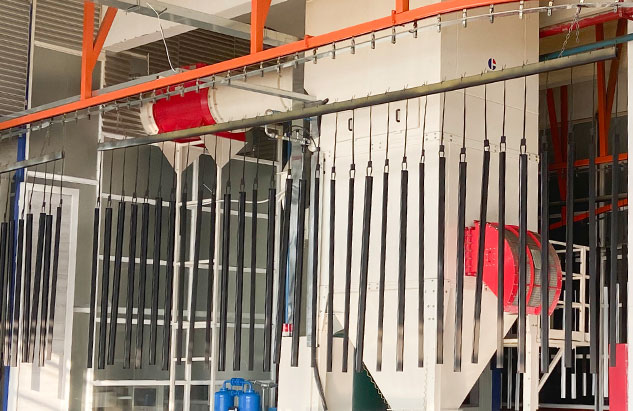 Aluminum Alloy Hard Anodizing ServiceArrayView Product →
How to specify anodizing colour so production can deliver
Start with the functional requirement rather than a colour name. A shower enclosure that faces cleaning chemicals needs a well-sealed, corrosion-resistant finish; a heat sink needs a consistent film that supports thermal performance; a decorative trim needs an appearance that the supplier can repeat. Once the function is clear, the specification becomes simpler.
- Define the colour with an agreed reference. Use a physical anodized sample or an approved colour chip. RAL numbers are a starting point, but RAL is a paint system and many RAL shades have no exact anodized equivalent.
- State the alloy and the mechanical finish. Write down the alloy grade, the profile condition, and whether the surface is to be die-finished, brushed or polished.
- Specify the anodizing type and thickness. For indoor decorative use, Type II at 8 to 12 microns is typical; for exterior use, Type II at 15 to 20 microns; for wear applications, Type III hard anodizing at 25 to 50 microns.
- Set a tolerance in the form of a visual comparison to an approved sample under defined lighting. A numeric delta-E target is useful, but it must be agreed with the anodizer and measured on the same alloy and finish.
- Ask for full-length samples from the actual production line, using the same alloy, die and process settings that will be used for the bulk order.
- Choose a supplier who controls the full process. Colour problems are easier to solve when extrusion and anodizing happen under one roof; this is how our anodized aluminium extrusion profiles
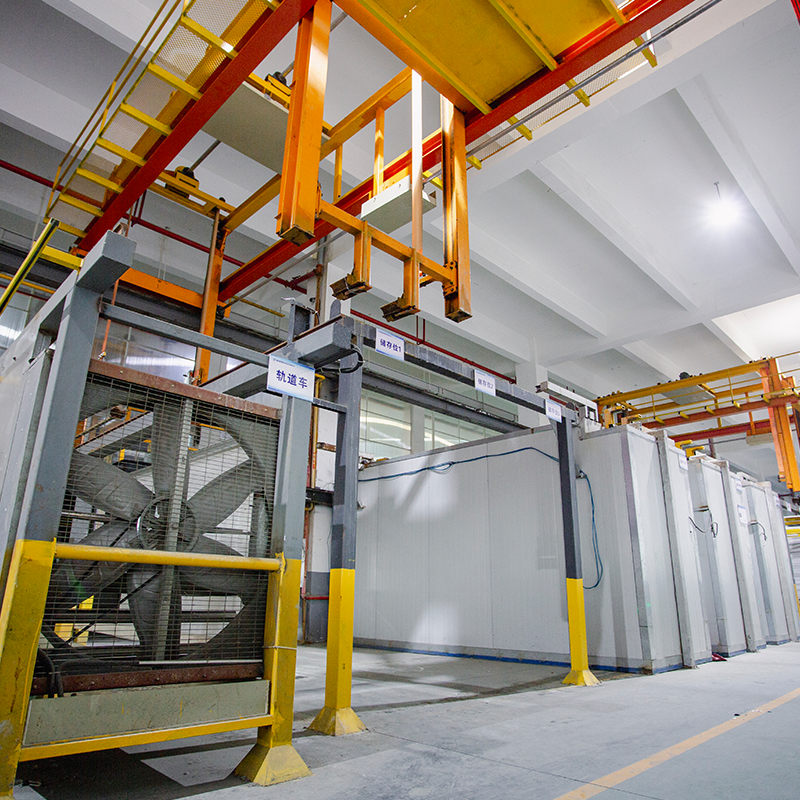 Anodized Aluminum Extrusion Profiles Manufacturers, FactoryArrayView Product → are produced, and why the colour result is consistent from batch to batch.
Where coloured anodized aluminium is used
Coloured anodized profiles appear in places where the finish has to survive both visual inspection and physical use. Shower enclosures are a common example because the profiles face humidity, soap residue and repeated wiping; a corrosion-resistant coloured anodized shower enclosure profile combines a consistent tone with a surface that is easier to keep clean than paint. Heat sinks rely on the anodized layer for electrical insulation and thermal emissivity. Elevator interiors use dark bronze and black anodized trims because they resist fingerprints and scratches better than bright coatings. Kitchenware profiles use light and matte tones that tolerate high temperature. In every case, the colour is not just decoration: the anodized layer is the protection, and the colour lives inside the oxide rather than on top of it.
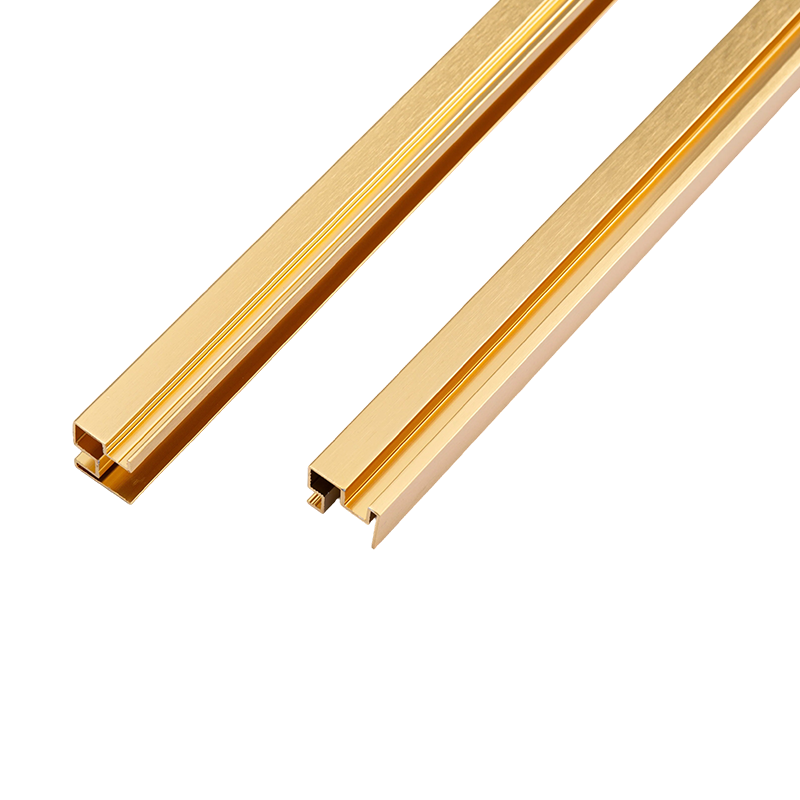 Corrosion-resistant colored anodized shower enclosure aluminum profiles SupplierArrayView Product →
The practical rule for any aluminium anodizing order is to match the colour to the process capability. Dark bronze, black, grey and champagne are dependable across batches. Bright colours can be made, but they carry a higher risk of variation and a higher sample cost. True white and pastel shades should be redirected to powder coating. With the right reference sample, the right alloy, a realistic thickness specification and a specialist aluminium profile manufacturer who operates the whole process, you can receive the colour you want and the same colour on the next order. That is what separates a workable anodizing specification from a guess.
Previous Post
Anodized Finish Guide: Process Types, Coating Thickness, and Quality Control
Next Post
Thermal Conductivity of Aluminum: Alloy Data, Temper Effects, and Why It Matters

Address
No. 18, Industrial Park, Yanghua Village, Nanxun Town, Nanxun District, Huzhou City, Zhejiang Province, China
Quick Menu
Subscribe newslatter
Copyright © Huzhou Yindu Aluminum Technology Co. , Ltd. Rights Reserved.
 Custom Aluminum Extrusions Manufacturers

