


 English
 Français
 中文简体
中文简体
Aluminium Structure for Solar Mounting: A Practical Material Guide and Selection Tips
Content
Imagine servicing a solar array on a rooftop in a humid, salt-air environment. Five years after installation, the panel mounts are still clean, the bolts are movable, and the frame has not developed rust scale. That is the practical outcome of choosing an aluminium structure for solar mounting over a coated steel frame. Aluminium is not automatically the right choice for every project, but in most cases it is the better default because it solves corrosion and weight issues before they shorten the service life.
What the Aluminium Structure Is Asked to Do
A solar mounting structure is not a simple support frame. It has to carry the panel weight, maintain a precise tilt angle, transfer wind and snow loads to the substructure, and survive 25 years of ambient air, rain, condensation, and thermal cycling. That combination of structural duty and environmental exposure is what makes material choice so important.
Typical engineering inputs for an aluminium structure for solar mounting include the module dimensions, maximum design wind speed, snow load, foundation type, and the local environment. From a material standpoint, two alloy families dominate: 6063-T5 and 6005-T5. 6063-T5 has excellent formability and is well suited to complex extruded sections. 6005-T5 offers a higher yield strength, which is useful for longer spans or where fewer supports are desired.
Aluminium also has a density of about 2.7 g/cm3, roughly one-third that of steel. That means a lighter structure, lower roof loads, and faster installation without hydraulic lifting equipment on many projects. The practical benefit is not simply convenience; it allows engineers to reduce the design load that the building or foundation has to absorb.
Aluminium vs. Steel: A Fact-Based Comparison
For the majority of solar mounts, aluminium delivers a lower total cost over the system lifetime. Steel can be cheaper up front, but its long-term performance depends on the integrity of a galvanized coating and on every cut, scratch, or edge that exposes bare steel to the atmosphere. The table below compares the two materials on the points that matter for project owners and installers.
| Property | Aluminium Alloy | Galvanized Steel |
|---|---|---|
| Density | 2.7 g/cm3 | 7.85 g/cm3 |
| Corrosion behaviour | Forms a protective oxide layer; very stable in coastal air | Requires intact zinc coating; scratches and cut edges can initiate rust |
| Strength | Good for standard modules; higher-strength alloys available | High strength in heavier sections |
| Installation speed | Lighter, easier to handle, less lifting equipment | Heavier, slower handling, more equipment on site |
| Maintenance | Low; no repainting in most environments | Periodic inspection; touch-up after scratches or cuts |
| Upfront cost | Usually higher | Usually lower |
| Expected service life | 20+ years with common finishes | 10-20 years depending on coating quality and site |
Steel still has a place where the structure will be buried, where extreme point loads require very heavy sections, or where the design code specifies a reinforced concrete base and the additional dead load is not a problem. But in a wet or humid climate, a galvanized steel frame tends to require more attention over the years. The economics of aluminium improve as the time horizon lengthens and as coating touch-up and replacement costs are included.
Where Aluminium Structures Perform Best
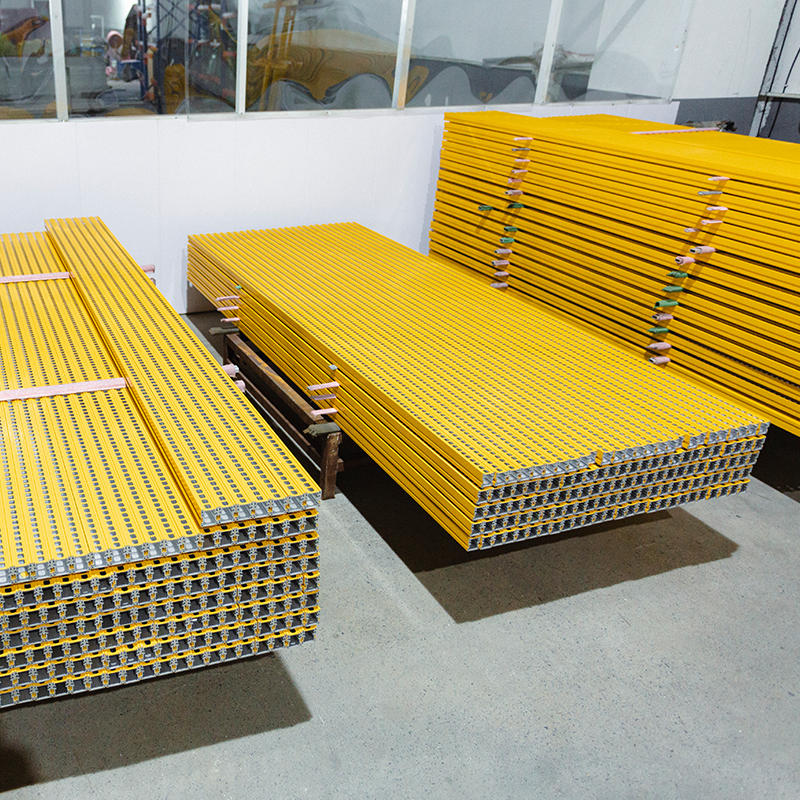
An aluminium structure for solar mounting becomes the clear choice in environments where corrosion is a concern. Coastal installations, industrial facades, and any site with high humidity benefit from the natural oxide layer that forms on aluminium. The anodizing process makes this layer thicker, harder, and more consistent, which is why anodized sections are the standard option for marine and salt-air sites.
Rooftop arrays are another natural fit. Because the mounting structure is welded or bolted to the roof structure, every kilogram of dead load affects the structural assessment. Aluminium's low density lets installers use longer spans with fewer attachment points, reducing both the number of roof penetrations and the time required to complete the installation.
 Anodized Aluminum Extrusion Profiles with Custom Finishing OptionsThese anodized profiles offer silver, black, bronze, or champagne finishes with thickness grades up to AA25, plus custom cutting and CNC services, well suited for rooftop mounting structures.View Product →
Engineering the Profile: Loads, Tolerances, and Finishes
Once the environmental story is settled, the structural design becomes the next task. The profile section must resist bending and buckling under wind and snow. Common profiles for solar mounting include C-channels, H-beams, and hat shapes, with wall thicknesses ranging from 1.5 mm to 10 mm depending on the span and load.
Precision matters as much as strength. Hole positions, slot lengths, and connecting faces must align with the panel clamps and the substructure. CNC machining of extrusions removes the need for field drilling and ensures that every frame is identical, which is vital for long rows where even a few millimetres of error can cause visible misalignment.
The specification process can be broken down into five practical steps:
- Calculate the maximum wind load using local wind speed data.
- Apply the relevant snow load if the array is in a cold climate.
- Choose a profile section that resists bending with a safety factor of at least 1.5.
- Confirm the surface finish thickness for the exposed environment.
- Check that all fastener holes and slots are machined and not cut on site.
Surface finish selection is also part of the engineering. Anodized layers of 12-25 microns provide a hard, dense protective barrier. Powder coating offers coloured panels with a thick, highly impermeable finish. PVDF coatings are a good choice where high UV resistance and chemical stability are required. The right finish depends on the climate, the orientation of the structure, and the aesthetic requirements of the project.
 CNC Machining Services for Precision Aluminum ExtrusionsCNC machining, cutting, and fabrication services for aluminum profiles, with additional surface treatments, support precise component manufacturing for solar mounting and other industrial applications.View Product →
Why the Mill Behind the Profile Matters
The same alloy designation can behave differently depending on how carefully the billet is homogenised, how the extrusion takes place, and how the profile is aged. A supplier that has spent decades building extrusion discipline will deliver consistent mechanical properties from one batch to the next. That consistency is what allows a mounting structure to carry the design load without surprises at the site inspection.
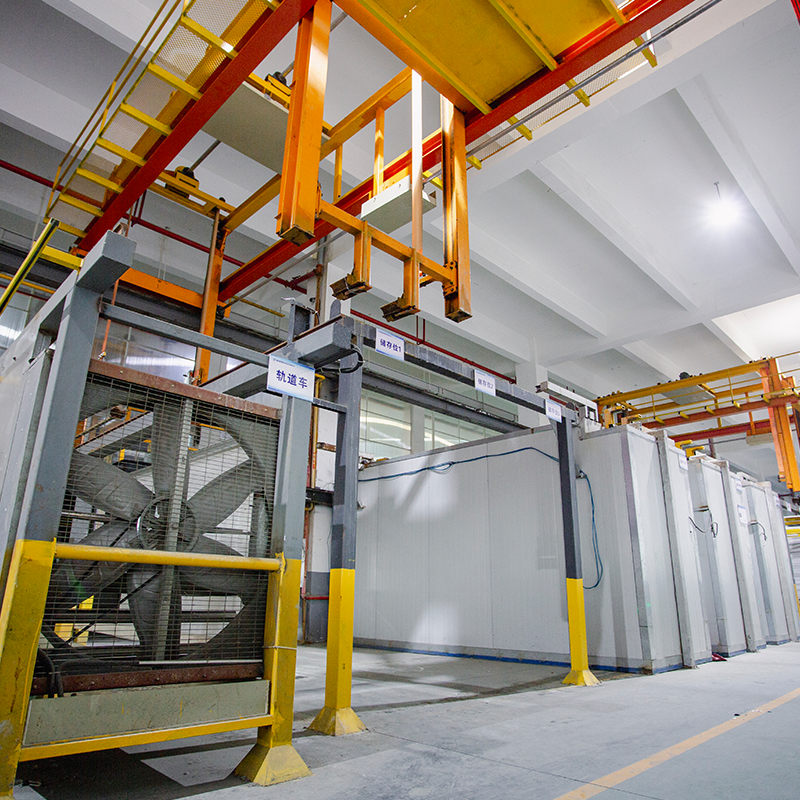
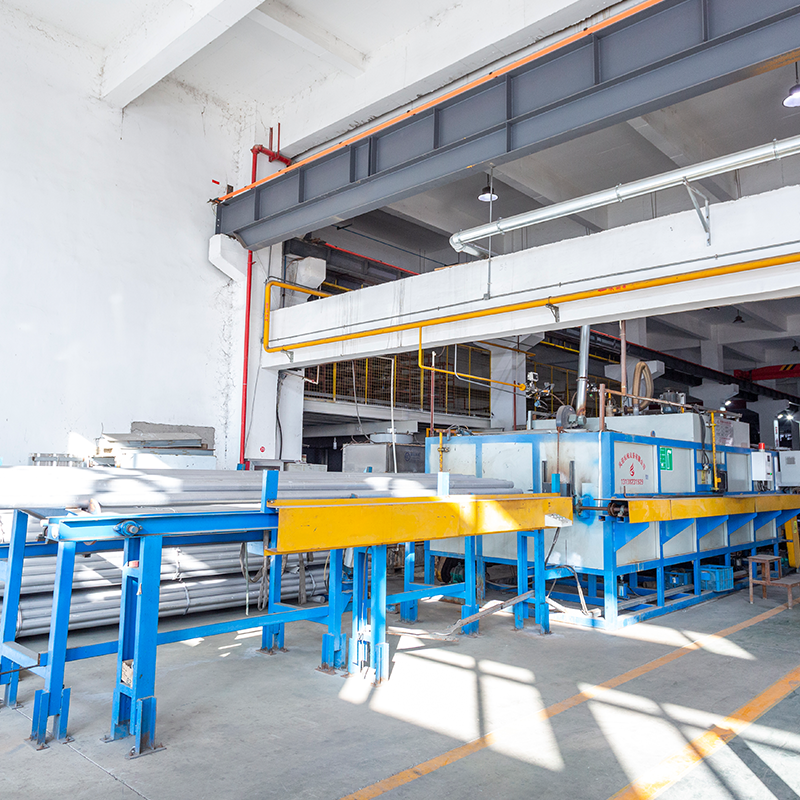
Huzhou Yindu Aluminum Technology Co., Ltd. brings more than 30 years of experience in aluminium extrusion and surface treatment. The facility covers 42,000 square metres and has an annual capacity of 10,000 tons, with in-house anodizing, hard anodizing, powder coating, PVDF coating, wood grain finishing, and CNC machining. This vertical capability allows a solar mounting customer to source the full profile package from one place, from raw extrusion to pre-drilled connectors.
For a deeper look at alloy selection and design rules, read our aluminium extrusion process and alloys design guide. It explains how the chemistry and process conditions affect the final profile and how to avoid common mistakes in load calculation and section specification.
 Aluminum Extrusion Profiles in Multiple Alloys for Structural UseAvailable in alloys like 6063, 6061, 6082, and 7075, these profiles provide strength and corrosion resistance for various applications, including solar racking and structural supports.View Product →
Specifying an aluminium structure for solar mounting is a decision you can make with confidence when you understand the load conditions, choose the right alloy and finishing, and work with a supplier that controls the whole extrusion process. Start with a simple load calculation, ask for corrosion data, and let the profile partner help you turn that into a structure that will outlast the panels.
Previous Post
Aluminum Frame for Solar Panel: Alloy, Finish, Tolerance & Sourcing Guide
Next Post
Anodized Finish Guide: Process Types, Coating Thickness, and Quality Control

Address
No. 18, Industrial Park, Yanghua Village, Nanxun Town, Nanxun District, Huzhou City, Zhejiang Province, China
Quick Menu
Subscribe newslatter
Copyright © Huzhou Yindu Aluminum Technology Co. , Ltd. Rights Reserved.
 Custom Aluminum Extrusions Manufacturers

