


 English
 Français
 中文简体
中文简体
Can You Powder Coat Aluminum Extrusion? Process & Prep Guide
Content
Direct Answer: Feasibility and Performance of Powder Coating Aluminum
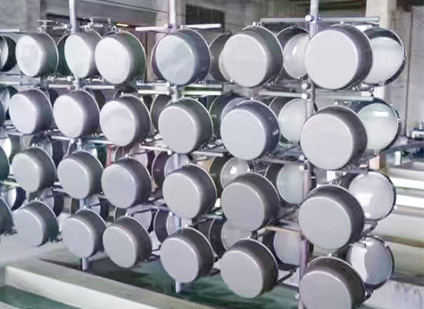
Yes, aluminum extrusions can be successfully powder coated, and this combination is one of the most durable finishing options available for architectural, automotive, and industrial applications. Powder coating bonds electrostatically to properly prepared aluminum surfaces, creating a finish that typically lasts 15–25 years in exterior environments without chipping, fading, or corroding. However, success depends entirely on meticulous surface preparation; untreated or improperly cleaned aluminum will experience adhesion failure within months due to its naturally occurring oxide layer and susceptibility to contamination. When executed correctly with appropriate pretreatment and curing protocols, powder-coated aluminum extrusions achieve AAMA 2604 or Qualicoat Class II certification, validating their performance for demanding outdoor use.
Critical Surface Preparation Requirements
Aluminum’s reactive surface demands specialized pretreatment that differs fundamentally from steel processing. Skipping or shortcutting these steps is the primary cause of field failures in powder-coated aluminum products.
- Degreasing: Remove oils, lubricants, and shop dirt using alkaline or neutral pH cleaners at 130–150°F; acidic cleaners risk etching soft alloys like 6063-T5.
- Deoxidation/Etching: Apply chromate-free deoxidizer or mild acid etch to remove native oxide layer (Al₂O₃) and create microscopically roughened surface for mechanical anchoring; target 0.5–1.5 µm profile depth.
- Conversion Coating: Apply zirconium, titanium, or chrome-free conversion coating to enhance corrosion resistance and provide chemical bonding sites; adds 0.1–0.3 µm protective layer invisible to naked eye.
- Rinsing and Drying: Use DI water final rinse to prevent mineral spotting; dry completely below 180°F before powder application to avoid outgassing during cure.
Why Mechanical Abrasion Alone Is Insufficient
Sandblasting or scotch-brighting creates physical texture but leaves behind embedded contaminants and fails to address aluminum’s passivation chemistry. Without chemical conversion treatment, moisture penetrates microscopic pores beneath the coating, initiating filiform corrosion that propagates laterally under the film. Industry testing shows adhesion strength drops 60–80% on mechanically abraded-only aluminum versus chemically pretreated substrates after 1,000 hours salt spray exposure.
Alloy-Specific Considerations and Thermal Limitations
Not all aluminum extrusions respond identically to powder coating processes. Alloy composition and temper condition influence both pretreatment compatibility and thermal stability during curing.
| Alloy-Temper | Max Cure Temp | Pretreatment Sensitivity | Common Applications |
|---|---|---|---|
| 6063-T5/T6 | 400°F (205°C) | Low – Standard protocols apply | Architectural windows, doors, trim |
| 6061-T6 | 375°F (190°C) | Medium – Avoid strong alkalis | Structural frames, marine hardware |
| 6005A-T6 | 380°F (193°C) | Low – Excellent weldability + coating | Solar racking, transportation |
| 7075-T6 | 325°F (163°C) max | High – Copper content causes staining | Aerospace, high-stress components |
Managing Outgassing in Castings and Thick Sections
Extrusions with thick walls (>0.25") or internal voids may release trapped gases during curing, causing pinholes or bubbles in the coating. Preheating parts to 250–300°F for 10–15 minutes before powder application drives off volatiles. Alternatively, specify low-temperature cure powders (325–350°F) designed for heat-sensitive substrates, though these may sacrifice some chemical resistance compared to standard formulations.
Quality Standards and Long-Term Performance Validation
Professional powder coating of aluminum extrusions should conform to recognized industry specifications that define measurable acceptance criteria. Key standards include:
- AAMA 2604-23: Voluntary specification for high-performance organic coatings on aluminum extrusions; requires 3,000-hour salt spray resistance, 5-year Florida weathering data, and cross-hatch adhesion rating of 4B minimum.
- Qualicoat Class II: European standard equivalent to AAMA 2604; mandates accelerated aging tests including humidity, SO₂, and UV exposure cycles with strict gloss/color retention thresholds.
- MIL-DTL-5541F Type II: Military specification for non-chromate conversion coatings underlying powder; validates corrosion protection without hazardous hexavalent chromium.
- ASTM D3359 Cross-Cut Test: Field-verifiable adhesion assessment; any result below 4B indicates inadequate pretreatment requiring rework before shipment.
Always request test certificates from your coater documenting compliance with relevant standards for your application environment. Generic "powder coated" claims without third-party validation offer no assurance of longevity. Budget-conscious projects targeting interior or sheltered exterior use may qualify for AAMA 2603 (1-year warranty tier), while coastal or high-UV exposures demand 2604/2605 certification to avoid premature refinishing costs exceeding original coating investment.
Previous Post
Thermal Conductivity of Aluminum: Alloy Data, Temper Effects, and Why It Matters
Next Post
CNC Machining for Aluminum Extrusion: Precision & Process Guide

Address
No. 18, Industrial Park, Yanghua Village, Nanxun Town, Nanxun District, Huzhou City, Zhejiang Province, China
Quick Menu
Subscribe newslatter
Copyright © Huzhou Yindu Aluminum Technology Co. , Ltd. Rights Reserved.
 Custom Aluminum Extrusions Manufacturers

